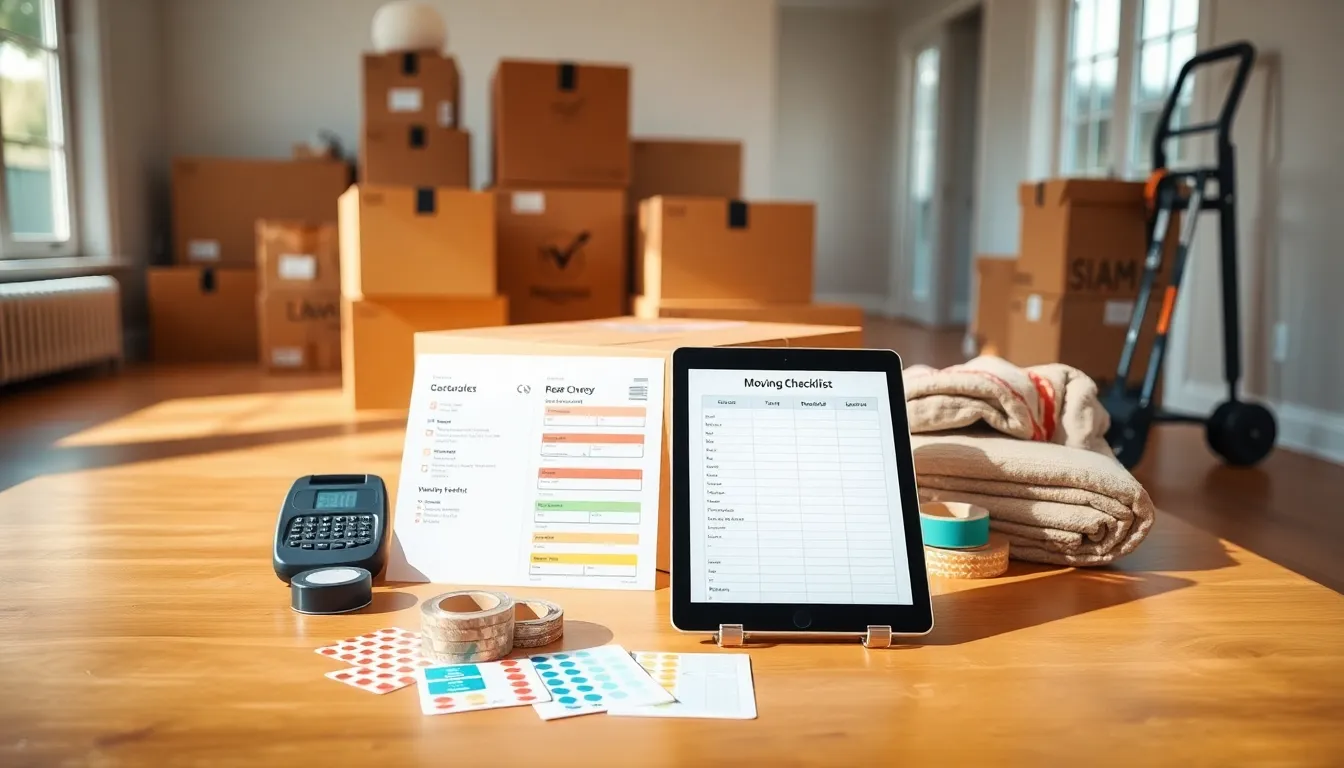
Moving guides tools make the difference between a chaotic move and a smooth transition. Whether relocating across town or across the country, the right tools save time, reduce frustration, and protect belongings. This guide covers everything from planning resources to physical equipment that simplifies the moving process. Each category addresses specific challenges movers face, offering practical solutions that work for DIY moves and professional relocations alike.
Table of Contents
ToggleKey Takeaways
- Moving guides tools—from checklists to furniture dollies—transform chaotic relocations into organized, efficient transitions.
- Label makers and color-coding systems speed up unloading by letting movers instantly identify where each box belongs.
- Furniture sliders, moving straps, and dollies reduce injury risk and make heavy lifting manageable without extra muscle.
- Moving apps and video inventory tools help catalog belongings, track progress, and document items for insurance purposes.
- Safety gear like work gloves, back braces, and steel-toe boots protects against common moving injuries during physical labor.
- Budget calculators and quote comparison platforms help estimate costs and find the best deals on professional movers.
Planning and Organization Tools
A successful move starts with solid planning. Moving guides tools for organization help people track tasks, manage timelines, and stay on budget.
Moving Checklists
Printed or digital checklists break down the moving process into manageable steps. They typically cover 8-week timelines, starting with decluttering and ending with unpacking priorities. Many moving companies offer free downloadable versions.
Inventory Spreadsheets
Spreadsheets track every item leaving the old home. They prove essential for insurance claims if something gets damaged. Columns can include item descriptions, room assignments, box numbers, and estimated values.
Label Makers and Color-Coding Systems
Label makers create clear, readable tags for every box. Color-coded stickers assign each room a specific color, making unloading faster. Movers immediately know where each box belongs without reading every label.
Budget Calculators
Moving costs add up quickly. Budget calculators estimate expenses for truck rentals, packing supplies, professional movers, and unexpected fees. Many online moving guides tools include interactive calculators that adjust based on distance and home size.
Calendar Apps
Digital calendars with reminders ensure critical deadlines don’t slip through the cracks. Utility transfers, address changes, and lease dates all need scheduling. Shared calendars help families coordinate responsibilities.
Packing Supplies and Equipment
Packing represents one of the most time-consuming parts of any move. The right supplies protect belongings and speed up the process.
Moving Boxes
Standard moving boxes come in small, medium, large, and extra-large sizes. Specialty boxes include wardrobe boxes with hanging bars, dish packs with extra padding, and picture boxes for artwork. New boxes offer better protection than used ones, though free grocery store boxes work for non-fragile items.
Packing Tape and Dispensers
High-quality packing tape prevents boxes from opening during transport. Tape dispensers with built-in cutters save time and reduce frustration. Most movers need 2-3 rolls per room.
Bubble Wrap and Packing Paper
Bubble wrap cushions fragile items like dishes, glassware, and electronics. Packing paper fills empty spaces in boxes, preventing items from shifting. Newspaper works as a budget alternative, though the ink can transfer onto light-colored items.
Stretch Wrap
Stretch wrap secures drawers, doors, and cords on furniture and appliances. It bundles items together without leaving adhesive residue. A single roll goes a long way.
Mattress Bags
Mattress bags protect beds from dirt, moisture, and tears during the move. They cost between $5 and $15 and prevent having to replace an expensive mattress.
Heavy Lifting and Furniture Moving Tools
Moving heavy furniture requires more than muscle. These moving guides tools reduce injury risk and make large items manageable.
Furniture Dollies
Two-wheel hand trucks handle stacked boxes and tall items. Four-wheel furniture dollies support heavy appliances like refrigerators and washing machines. Most rental companies charge $10-$20 per day.
Moving Straps
Forearm forklift straps distribute weight across the body, reducing strain on backs and hands. Shoulder dollies work similarly for two-person lifts. Both tools make stairs significantly easier.
Furniture Sliders
Plastic sliders fit under furniture legs, allowing heavy pieces to glide across floors. Different versions work on carpet versus hardwood. They cost under $10 and prevent floor scratches.
Appliance Rollers
Appliance rollers position heavy units precisely. They work well for washers, dryers, and refrigerators. Some models include locking casters for stability.
Moving Blankets
Thick quilted blankets wrap around furniture to prevent scratches and dents. Most truck rentals include them, or movers can purchase reusable blankets for around $10 each.
Technology and Apps for Your Move
Modern moving guides tools include digital solutions that simplify logistics and reduce stress.
Moving Apps
Apps like Sortly help catalog belongings with photos and organize them by box or room. Moving Planner apps send reminders and track progress through customizable checklists. Many are free with optional premium features.
Video Inventory Tools
Smartphone videos create quick visual records of belongings before packing. This documentation proves valuable for insurance purposes. Cloud storage keeps these records safe and accessible.
Quote Comparison Platforms
Websites gather quotes from multiple moving companies simultaneously. They help people compare prices, read reviews, and verify credentials. This saves hours of individual research.
GPS and Navigation Apps
For DIY moves, truck-specific GPS apps calculate routes that avoid low bridges and tight turns. They account for vehicle height and weight restrictions that standard navigation apps ignore.
Virtual Walk-Through Tools
Some moving companies offer virtual estimates through video calls. Homeowners walk through their space while estimators assess the job remotely. This speeds up the quote process without requiring in-person visits.
Safety Gear and Protective Materials
Moving involves physical labor and potential hazards. Proper safety gear protects both people and property.
Work Gloves
Grip-enhanced gloves prevent blisters and improve handling of heavy items. Leather or synthetic palms offer better durability than cloth. They also protect hands from splinters and sharp edges.
Back Braces
Supportive back braces remind movers to lift properly. They provide compression and stability during repeated lifting. Many professional movers wear them throughout long moving days.
Steel-Toe Boots
Dropped furniture or appliances can cause serious foot injuries. Steel-toe boots provide protection without sacrificing comfort. Closed-toe shoes with good traction represent the minimum requirement.
Knee Pads
Packing and unpacking require significant time on knees. Foam or gel knee pads reduce strain and prevent bruising. They cost under $20 and last through multiple moves.
Corner Protectors and Door Jamb Guards
Plastic or foam corner protectors shield walls and furniture from impact damage. Door jamb guards prevent scratches when moving large items through tight doorways. These small investments can save security deposits.
First Aid Kit
Minor cuts, scrapes, and muscle strains happen during moves. A basic first aid kit with bandages, antiseptic, and pain relievers addresses common issues quickly.