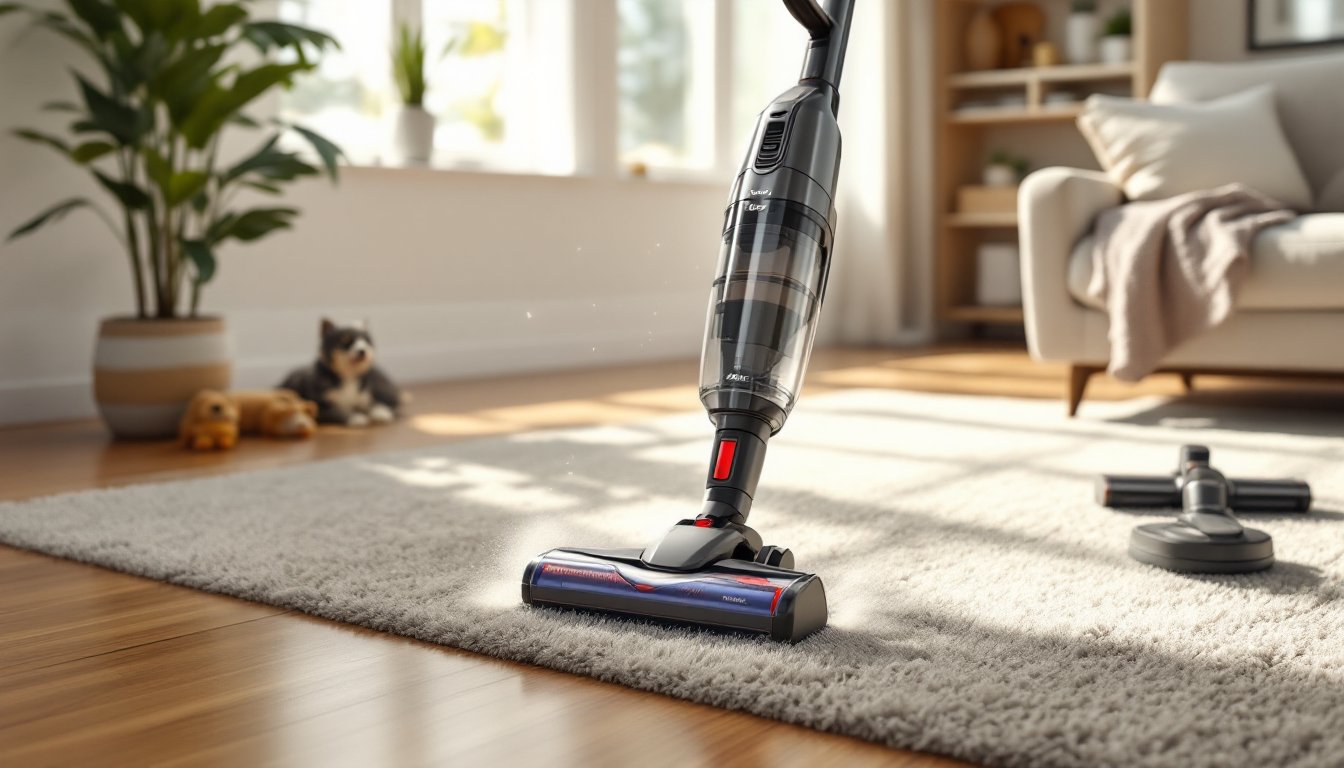
If you’ve been standing in the vacuum aisle staring at endless options, or scrolling through online reviews at midnight wondering if the Shark Rotator lives up to the hype, you’re not alone. The Shark Rotator has built a reputation as a heavy-duty cleaning machine that doesn’t require a professional’s salary to own. But between cordless and upright models, variable suction settings, and a dozen competing claims, figuring out whether it’s the right fit for your home takes more than just reading marketing copy. This guide walks you through what the Shark Rotator actually delivers, its genuine strengths, realistic limitations, and how it stacks up against your actual cleaning needs.
Table of Contents
ToggleKey Takeaways
- The Shark Rotator delivers powerful, multi-surface cleaning without premium pricing, thanks to its motorized brush roll, swivel steering, and lift-away technology that handle both carpet and hardwood effectively.
- Choose cordless models for versatility and single-story homes (30–40 minute runtime), or upright models for consistent suction across multi-floor layouts and larger homes without battery anxiety.
- Regular maintenance—including filter rinsing every 1–3 months, weekly brush roll inspection, and battery management—keeps the Shark Rotator performing at peak suction for 5–7 years.
- The Shark Rotator excels for pet owners and mixed-flooring households, but is less ideal for hardwood-only homes or those needing commercial-grade capacity without emptying the dust cup mid-session.
- Mid-range to premium Shark Rotator models ($300–$900) include switchable brush technology and HEPA filtration that budget alternatives lack, making it a smarter long-term investment when considering replacement parts and durability.
What Makes the Shark Rotator Stand Out
The Shark Rotator has earned its following by addressing a real frustration: powerful suction in a design that doesn’t feel like dragging a refrigerator across your floors. The core appeal centers on its motorized brush roll and multi-surface cleaning approach. Unlike budget vacuums that force you to choose between carpet and hardwood, the Shark Rotator typically manages both reasonably well from a single machine.
The swivel steering design is genuinely practical. Instead of pivoting the whole unit to change direction, you rotate the handle, a small feature that saves your knees and back during longer cleaning sessions. Homeowners consistently mention this when comparing it to traditional upright vacuums that require full-body adjustments.
Shark has also built durability expectations into the product line. The brushroll is designed for easy removal and cleaning without tools, which cuts down on the hair-clogging frustration that kills cheaper vacuums in six months. The filter systems vary by model, but most include washable components, an advantage over disposable-only designs when you’re running the vacuum twice weekly.
Key Features That Matter for Homeowners
Real-world cleaning depends on a few non-negotiable features, and the Shark Rotator lineup addresses most of them. Lift-Away technology, found on many Shark models, lets you detach the canister from the base for spot cleaning, stairs, and upholstery. This isn’t a gimmick: it genuinely saves time when you spill kibble on the couch or need to tackle the second floor without dragging the whole unit.
The dust cup capacity matters more than ads suggest. A 0.5-liter cup means emptying it constantly: a 1.5-liter cup cuts that frustration roughly in half. Check your model’s specifications because capacity varies significantly across the range.
Pet-friendly attachments come standard on many Shark Rotator variants. If you have shedding dogs or cats, the motorized pet brush and upholstery tool aren’t optional, they’re essential. A standard crevice tool won’t cut it for pet hair buildup: a powered option actually extracts embedded fur rather than just pushing it around.
The HEPA filter (high-efficiency particulate air) traps dust and allergens at a 99.97% efficiency rate. Important note: HEPA filters require regular maintenance, cleaning every 1-3 months depending on pet presence and foot traffic, or suction drops noticeably. Budget time for this: it’s not a set-it-and-forget feature.
Cordless vs. Upright Models: Which Is Right for Your Home
The choice between cordless and upright Shark Rotator models hinges on your home’s layout and how often you clean. Cordless models trade cord management and tethering for limited runtime. Most deliver 30–40 minutes of suction on a full charge, enough for a single-story apartment or a quick weekly pass on a house. The big advantage is versatility: no searching for outlets, no wrapping cords, and easier access to stairs and vehicles. The trade-off is battery replacement costs ($150–$300 every 3–5 years) and reduced suction on larger homes or multi-floor layouts.
Upright models plug into any standard outlet and deliver consistent suction for as long as you’re willing to push. If you have a two-story home with carpet, a larger dog, or you clean infrequently but thoroughly, upright is less frustrating. You won’t watch the battery meter dropping halfway through the master bedroom. The downside: you’re tethered to outlets and managing a 25–30 foot cord gets tedious on larger homes.
Companies like Good Housekeeping test multiple Shark vacuum models to compare runtime, coverage, and real-world suitability. Many homeowners discovering cordless advantages for the first time end up switching permanently: others find upright models more practical for whole-house cleaning in under 30 minutes.
Real-World Performance for Different Flooring Types
A vacuum’s job title is “carpet cleaner,” but most of us have mixed flooring. The Shark Rotator generally handles transitions between carpet and hardwood or tile better than budget alternatives, but performance isn’t uniform across the lineup.
On medium to high-pile carpet, the motorized brush roll excels at deep cleaning. Pet hair and fine dust get lifted rather than pushed around. Runtime on cordless models drops faster on carpet (suction demands more battery power), so expect 20–25 minutes instead of 40 on hard floors.
On low-pile, berber, or commercial carpet, the same brush roll can sometimes stick or slow the vacuum’s glide. This isn’t a dealbreaker, but some users report having to apply more pressure, which defeats the swivel-handle advantage.
Hardwood and tile floors need a different strategy. The brush roll should be designed to stop or lift when you engage hard-floor mode. Lower-end Shark Rotator models sometimes lack this, which means the brush keeps spinning and scatters light debris. Mid-range and premium models include switchable brush technology. Test this in-store if possible, or confirm the specifications before buying.
Area rugs and runners are where the Rotator’s mid-weight design shines. Heavy uprights can be tough to maneuver on thin rugs: the Shark’s swivel steering handles them more naturally. Research from CNET’s cordless vacuum testing shows that Shark cordless models consistently manage multi-surface homes effectively.
Maintenance and Durability Considerations
The best vacuum in the world becomes a dust-clogged paperweight if you skip maintenance. The Shark Rotator requires regular upkeep, nothing exotic, but don’t expect it to run at day-one performance after six months of neglect.
Filter cleaning is the primary task. Most Shark models include washable filters that need rinsing every 1–3 months under running water. Let them air-dry completely (at least 24 hours) before reinstalling. Putting a damp filter back into service traps moisture and reduces suction fast.
The brush roll needs weekly inspection, especially if you have pets. Hair wraps around the bristles and bearing points. Remove visible hair and debris by hand: clean the entire roll under warm water monthly. Replacement brush rolls cost $20–$40 and typically last 12–18 months with regular use.
Battery maintenance (cordless models): Don’t let the battery sit on zero charge for weeks. Shark batteries degrade faster if completely depleted. Store cordless models with a partial charge, and replace batteries when runtime drops below 20 minutes on a full charge.
Durability expectations: The motor and housing on Shark Rotators typically hold up 5–7 years with regular maintenance. The brush roll, filter, and battery are consumable parts, budget for replacements. Seals and joints are the failure points on heavily used units: these aren’t user-serviceable, which means professional repair or replacement.
Is the Shark Rotator the Right Choice for Your Cleaning Needs?
The Shark Rotator isn’t a universal answer, no vacuum is. It excels if you need a mid-priced machine that handles mixed flooring without constant adjustment, want decent pet-hair performance without premium pricing, and are willing to do basic maintenance regularly.
It’s less ideal if you have exclusively hardwood floors and minimal shedding (a lightweight stick vacuum does the job cheaper), or if you live in a large multi-story home and insist on never changing vacuums or emptying the cup during a single session (a commercial upright or central vacuum serves that better).
Consider your specific situation: How many floors? Do you have pets? What’s your tolerance for cord management or battery anxiety? How often do you actually vacuum? These answers matter more than brand reputation.
Real Simple’s home cleaning guides emphasize that the right vacuum reduces cleaning friction, meaning you’ll actually use it. If swivel steering and lift-away features make you more likely to tackle stairs weekly instead of semi-annually, the Shark Rotator delivers practical value. If those features feel gimmicky and you’d rather have a no-nonsense plug-in machine that runs forever, look elsewhere.
Price varies by model and retailer. Entry-level Shark Rotators start around $300–$400: premium versions with extra attachments and advanced filtration run $600–$900. Cordless models trend higher because of battery costs. Factor in maintenance expenses and replacement parts over the vacuum’s lifespan when evaluating total cost.
Conclusion
The Shark Rotator deserves its reputation as a practical, mid-tier vacuum that doesn’t make you choose between power and usability. It won’t replace a professional deep-clean, and it’s not the cheapest option on the shelf. What it does deliver is honest performance across mixed floors, genuine ergonomic features that reduce fatigue, and a design that encourages regular maintenance rather than punishing you for skipping it. If that matches your home and your cleaning habits, the investment makes sense.