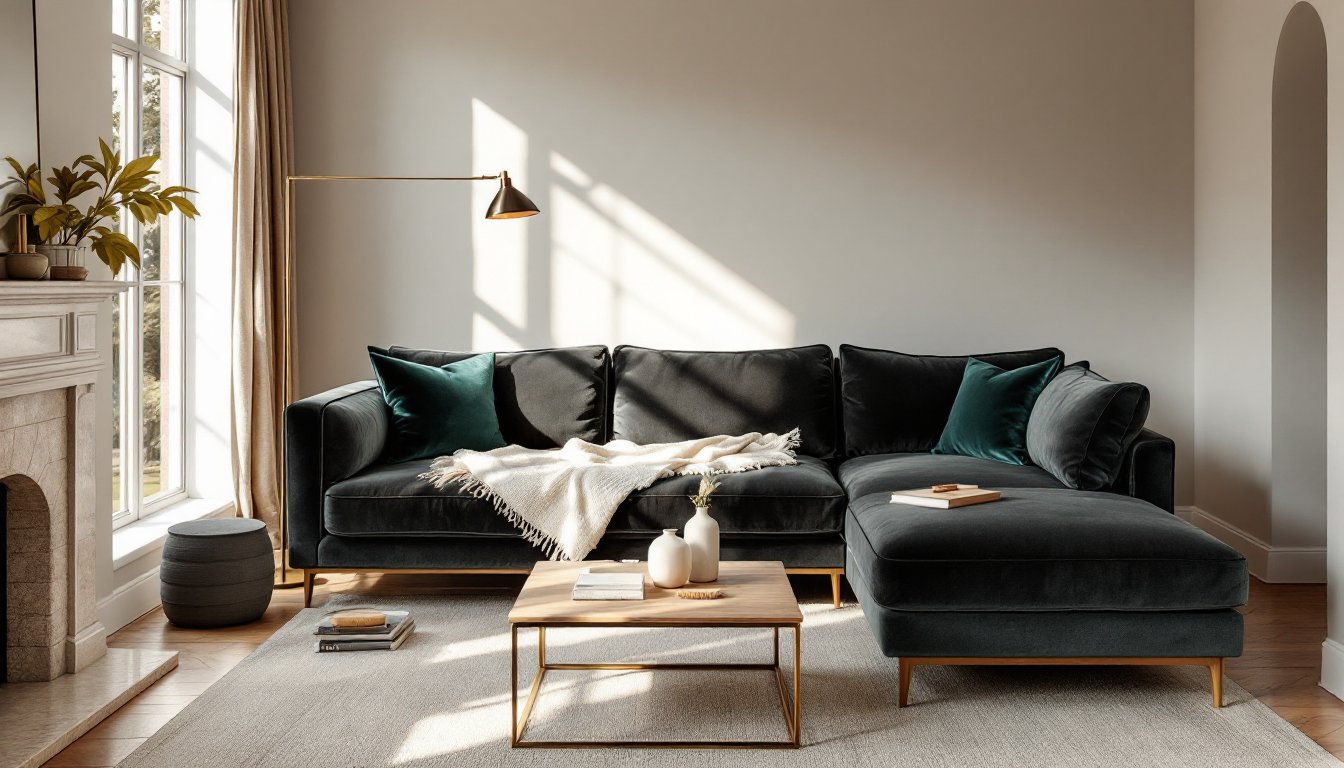
A velvet sectional sofa combines luxury with practicality, it’s a statement piece that invites people to sink in and stay awhile. Whether you’re redecorating a living room or investing in your first quality sofa, understanding what makes velvet sectionals work in real homes (not just magazine spreads) matters. This guide walks you through choosing, maintaining, and styling a velvet sectional so it earns its place in your space for years to come, without the designer price tag if you don’t want it.
Table of Contents
ToggleKey Takeaways
- A velvet sectional sofa combines luxury with practicality by resisting dust and pet hair better than other fabrics while delivering durability and a fresh appearance over time.
- Measure your space carefully—including doorways and hallways—and use painter’s tape to test dimensions before purchasing, as a velvet sectional that’s too large becomes a furniture obstacle.
- Choose neutral colors like charcoal, navy, or greige for flexibility, or invest in mid-tone jewel shades like emerald that age well and hide occasional marks better than pure white or black.
- Velvet sectionals require regular care: vacuum with a soft brush every 1-2 weeks, blot spills immediately without rubbing, and schedule annual professional steam cleaning to maintain the fabric’s appearance.
- Quality construction matters more than price—a $800 sectional with a hardwood frame and high-density foam outlasts a $2,500 sectional with a particleboard frame, so prioritize materials when comparing options.
- Style your velvet sectional as the room’s focal point by keeping walls and accessories neutral, using large throw pillows (22-by-22 inches or larger), and floating the sectional slightly away from walls for better proportions.
Why Velvet Sectionals Are a Top Choice for Modern Homes
Velvet hits a sweet spot between visual softness and durability that other upholstery fabrics struggle to match. The fibers catch light differently depending on how you run your hand across them, creating depth and richness that solid colors alone can’t achieve. Unlike linen or cotton blends, velvet resists showing dust and pet hair as obviously, though it’s not invisible, the fabric’s pile masks minor debris better.
Sectionals themselves solve a real problem: they maximize seating in corner spaces that traditional sofas can’t fill efficiently. A velvet sectional in your living room becomes an anchor piece that feels intentional and polished without screaming “I hired a designer.” The combination of velvet’s tactile appeal and a sectional’s functional layout makes rooms feel both more finished and more inviting.
Comfort matters too. Quality velvet (especially over high-density foam and a solid frame) feels substantial, not cheap or thin. It holds its shape better than some fabric blends, and the pile bounces back when you stand up, keeping the sofa looking fresher longer. Recent reviews of top sectional sofas consistently highlight velvet options for their durability and style factor.
Choosing the Right Size and Layout for Your Space
Measure your room twice, three times if you’re not sure. A 120-inch L-shaped sectional looks sleek in a showroom but becomes a furniture obstacle course in a 12-by-14 living room. Start by measuring doorways and hallways: can the sectional actually enter your home? Many sectionals come in modular pieces specifically because whole units don’t fit through standard doors.
Consider foot traffic patterns. You need clear sightlines to the TV or fireplace, and you shouldn’t have to navigate around the sectional to reach the kitchen. A chaise on the right works well if that’s where natural light hits: a chaise on the left better suits rooms where you’d want privacy from a window. Some layouts feel cramped because the sectional consumes the entire usable floor space.
Think about how many people actually sit on it regularly. A three-person sectional with a chaise doesn’t need to sleep five people, but it should comfortably hold three without someone perched uncomfortably. Deep seats (28 inches or more) eat floor space but feel cozier: shallow seats (under 26 inches) look modern but don’t cradle you as much. Test dimensions in your space using painter’s tape on the floor, it takes 10 minutes and saves heartbreak later.
Color and Design Options to Match Your Décor
Charcoal, navy, and greige are safe picks that don’t photograph as dramatically as jewel tones but won’t clash with whatever you paint walls next year. A deep emerald velvet or blush velvet reads as bold without feeling costume-y, these mid-tone jewel shades age well and hide occasional marks better than pure white or black.
Pattern adds personality but narrows your future decorating options. A velvet sectional with woven texture or subtle sheen variation keeps things interesting without committing you to a specific aesthetic. Solid colors offer flexibility: you can dress them up with patterned throws and pillows, then strip it back down if your taste shifts.
Remember that velvet’s sheen changes how color reads at different times of day. A color that looks one way under showroom lights might surprise you at home. If you’re ordering online, request fabric samples from the manufacturer before committing. Designer-focused platforms often feature luxury sectional sofas in velvet with contemporary and traditional styling ideas that show real-world color impact.
Maintenance and Care Tips for Long-Lasting Velvet
Velvet sounds high-maintenance, and it requires more care than a basic polyester blend, but it’s not fragile. The enemy is moisture and direct rubbing, spill something, blot immediately with a white cloth (not paper towels, which shed). Don’t rub or scrub: blotting lifts liquid away without grinding it into fibers.
Vacuum with a soft brush attachment every 1-2 weeks, going in one direction to avoid matting the pile. If the fabric starts looking crushed in high-traffic areas, a soft-bristled clothing brush or even a dry towel can gently restore the nap. Steam cleaning from a professional service works well annually or as needed, ask the manufacturer for fabric-safe recommendations first.
Sunlight fades all fabrics eventually, but velvet’s depth masks fading longer than flat weaves do. Still, position your sectional away from direct afternoon sun if possible. Use arm covers on high-contact spots, and rotate throw pillows and cushions every few months so wear patterns don’t become visible. Most velvet sectionals come with care instructions specific to the dye type, follow those, and your sofa stays guest-ready for a decade or more.
Budget-Friendly Alternatives and Where to Shop
Not every velvet sectional costs $4,000. Mid-range retailers offer solid construction at $1,200–$2,500: budget options exist below $1,000, though frame and foam quality matter more than price alone. A $800 sectional with a hardwood frame and high-density foam outlasts a $2,500 sectional with a particleboard frame and cheaper cushioning.
Read customer reviews focusing on long-term wear, not just initial impressions. After six months, does the fabric pill? Do cushions hold shape? Does the frame squeak? Department stores and online-only brands sometimes deliver better value than furniture showrooms because they skip the overhead.
DIY makeover enthusiasts have found success with budget home renovation approaches that include reupholstering older sectionals in new velvet or buying discontinued floor models at clearance prices. Facebook Marketplace and local consignment shops occasionally have barely-used velvet sectionals from people who changed their minds. A $300 gently-used sectional plus $500 in professional cleaning and minor repairs can deliver better results than a new budget piece.
Styling Your Velvet Sectional Like a Pro
Let the sofa be the star: don’t compete with busy patterns everywhere. If your sectional is jewel-toned velvet, keep walls neutral or in a complementary solid. Throw pillows should echo one or two colors from your sectional, not introduce five new ones.
Scale matters. A small throw pillow looks lost on a massive sectional: a 22-by-22-inch or larger pillow holds its own. Mixing textures, a smooth velvet sectional paired with a linen throw, a ribbed knit pillow, and a woven pouf, creates visual interest without chaos. Leave at least one end or corner bare so the sofa’s lines remain visible.
Lighting affects how your sectional looks and feels. A floor lamp beside the sectional creates a cozy reading nook: overhead lights alone make any sofa feel institutional. If space allows, a low coffee table in front of the sectional (leaving 18 inches of clearance for foot traffic) anchors the seating area. Avoid pushing a velvet sectional flush against walls unless you have to: floating it slightly creates better proportions and makes the room feel larger.
Conclusion
A velvet sectional works best when it fits your space, your lifestyle, and your budget, not because it looks good in someone else’s home. Measure carefully, choose a color that makes you happy (not just what’s trendy), and budget for professional cleaning when it needs it. The right sectional becomes furniture you actually use, not a shrine you’re afraid to sit on.