The best rural housing options offer more than just a place to live, they provide freedom, space, and a lifestyle that city dwellings can’t match. Whether someone dreams of a classic farmhouse, a modern modular home, or an off-grid cabin, rural properties come in many forms to fit different budgets and preferences.
Choosing the right rural home depends on several factors: land availability, budget, building codes, and personal goals. Some buyers want turnkey properties. Others prefer to build from scratch. This guide breaks down the most popular rural housing options so readers can find the best fit for their country living dreams.
Table of Contents
ToggleKey Takeaways
- The best rural housing options include farmhouses, modular homes, log cabins, barndominiums, and off-grid structures—each suited to different budgets and lifestyles.
- Traditional farmhouses and homesteads offer character and land for self-sufficient living but may require significant renovation investments.
- Modular and manufactured homes provide cost-effective rural housing with modern amenities and more square footage per dollar.
- Barndominiums combine living space with workshop or storage areas, making them ideal for buyers who need room for equipment or hobbies.
- Off-grid homes using solar, wells, and sustainable systems offer independence from utilities but require careful planning for energy and water needs.
- Always verify local zoning laws and building codes before purchasing land or starting construction on rural properties.
Traditional Farmhouses and Homesteads
Traditional farmhouses remain one of the best rural housing options for families who want character and history. These homes typically feature large kitchens, wraparound porches, and multiple bedrooms built to accommodate farm life.
Farmhouses often sit on larger parcels of land, sometimes ranging from five to hundreds of acres. This makes them ideal for buyers who want space for gardens, livestock, or hobby farming. Many older farmhouses were built with quality materials, solid wood framing, stone foundations, and handcrafted details that modern construction often lacks.
Homesteads take the farmhouse concept further. These properties include outbuildings like barns, chicken coops, and storage sheds. Buyers looking for a self-sufficient lifestyle often gravitate toward homesteads because the infrastructure already exists.
The main downside? Older farmhouses may need significant updates. Plumbing, electrical systems, and insulation often require modernization. Buyers should budget for renovations when purchasing historic properties.
Modular and Manufactured Homes
Modular and manufactured homes have become popular best rural housing options for cost-conscious buyers. These factory-built structures offer quality construction at lower price points than traditional site-built homes.
Modular homes are built in sections at a factory, then transported and assembled on-site. They must meet the same building codes as conventional homes, which means they’re structurally sound and often indistinguishable from stick-built properties. Many modular homes feature modern floor plans with open concepts, energy-efficient windows, and contemporary finishes.
Manufactured homes (formerly called mobile homes) are built entirely in factories and placed on permanent or semi-permanent foundations. They follow HUD standards rather than local building codes. Modern manufactured homes have come a long way from their predecessors, today’s models include granite countertops, vaulted ceilings, and smart home features.
Both options work well in rural areas where land is affordable but construction costs run high. Buyers can often get more square footage for their money compared to traditional builds. Financing can be trickier, though. Some lenders treat manufactured homes differently, so buyers should research loan options before committing.
Log Cabins and Timber Frame Structures
Log cabins and timber frame homes represent quintessential best rural housing options for buyers who want a connection to nature. These structures use natural materials and blend seamlessly into wooded or mountainous settings.
Log cabins feature walls made from whole or milled logs stacked horizontally. They provide excellent insulation and a rustic aesthetic that many rural buyers find appealing. Modern log homes range from simple one-room cabins to sprawling multi-story residences with all the amenities.
Timber frame homes use large wooden posts and beams joined with traditional joinery methods. The frame is left exposed inside, creating dramatic open interiors with high ceilings and visible craftsmanship. These homes often incorporate large windows to maximize natural light and views.
Both styles require specific maintenance. Log homes need periodic sealing and staining to protect against moisture and insects. Timber frames require less upkeep but cost more upfront due to the specialized construction techniques involved.
Kit homes have made log and timber construction more accessible. Companies ship pre-cut materials to building sites, reducing labor costs and construction time. Handy buyers can even assemble some kits themselves with basic construction knowledge.
Barndominium and Pole Barn Homes
Barndominiums have exploded in popularity as best rural housing options over the past decade. These hybrid structures combine living quarters with workshop or storage space under one roof.
A typical barndominium starts with a metal building shell, essentially a large barn or warehouse structure. The interior gets finished as a home, often with open floor plans, industrial-style finishes, and high ceilings. The exterior metal construction goes up quickly and costs less than traditional framing.
Pole barn homes use a similar concept. Vertical posts (poles) anchored in the ground support the roof structure. This method requires no foundation in many cases, which cuts costs significantly. The open interior can be customized but the owner wants.
These rural housing options work especially well for buyers who need space for equipment, vehicles, or hobbies. A farmer might live in one section while storing tractors in another. A woodworker could have a shop attached to their living space. The possibilities are flexible.
Zoning can present challenges. Some rural counties classify barndominiums as agricultural buildings rather than residences. Buyers should verify local regulations before purchasing land or starting construction.
Off-Grid and Sustainable Housing Solutions
Off-grid homes attract buyers who want independence from utility companies and a smaller environmental footprint. These best rural housing options range from simple cabins to high-tech sustainable residences.
Solar panels provide electricity for most off-grid homes. Battery storage systems hold excess power for cloudy days and nighttime use. Some properties add wind turbines or micro-hydro systems for additional generation capacity. The technology has improved dramatically, modern off-grid systems can power full-sized homes with standard appliances.
Water comes from wells, springs, or rainwater collection systems. Septic systems or composting toilets handle waste. Propane often supplements solar for heating and cooking in colder climates.
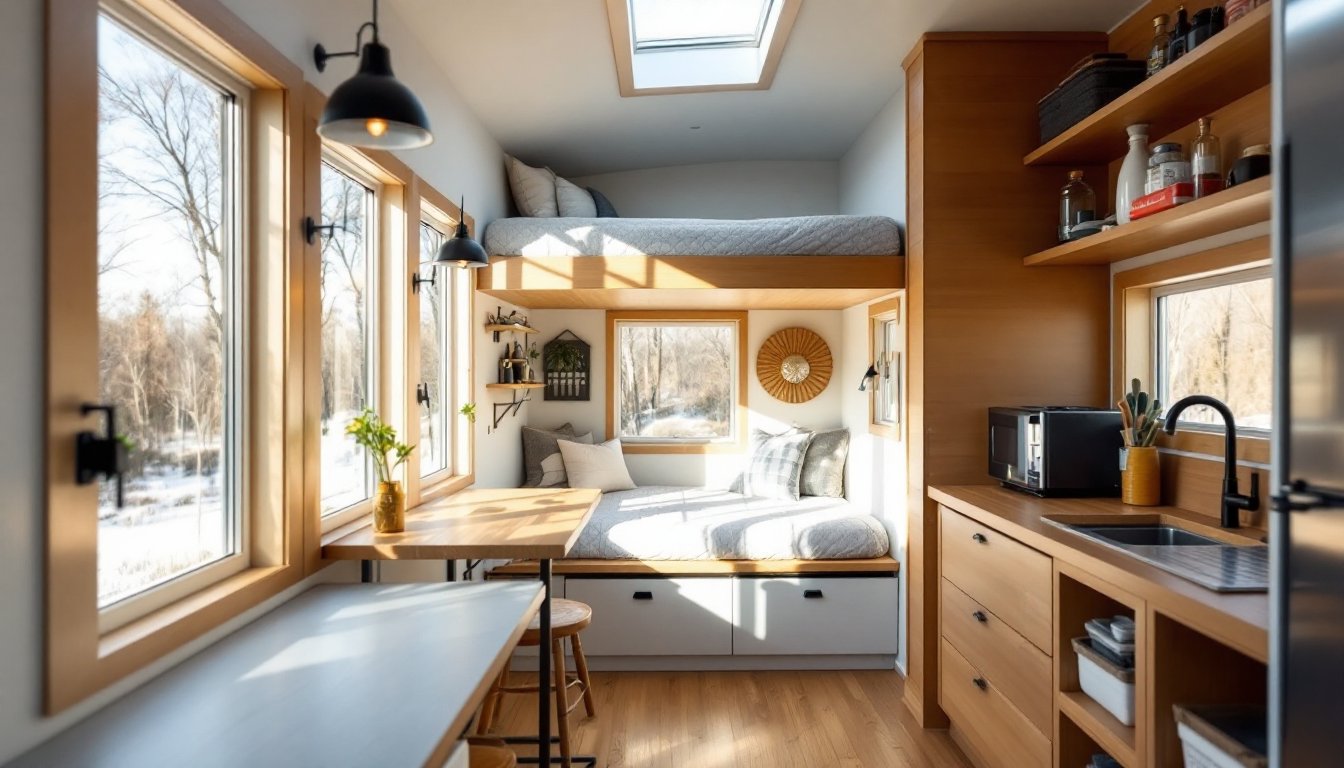
Tiny homes and container homes fit naturally into off-grid living. Their small footprints reduce energy needs and construction costs. Many buyers start with a tiny home while building equity, then expand later.
Earthships and earth-sheltered homes take sustainability further. These structures use thermal mass and passive solar design to maintain comfortable temperatures without mechanical systems. They’re not for everyone, but they represent cutting-edge rural housing options for eco-conscious buyers.
Off-grid living requires more planning than conventional homes. Buyers must understand their energy needs, water sources, and waste management before committing to this lifestyle.