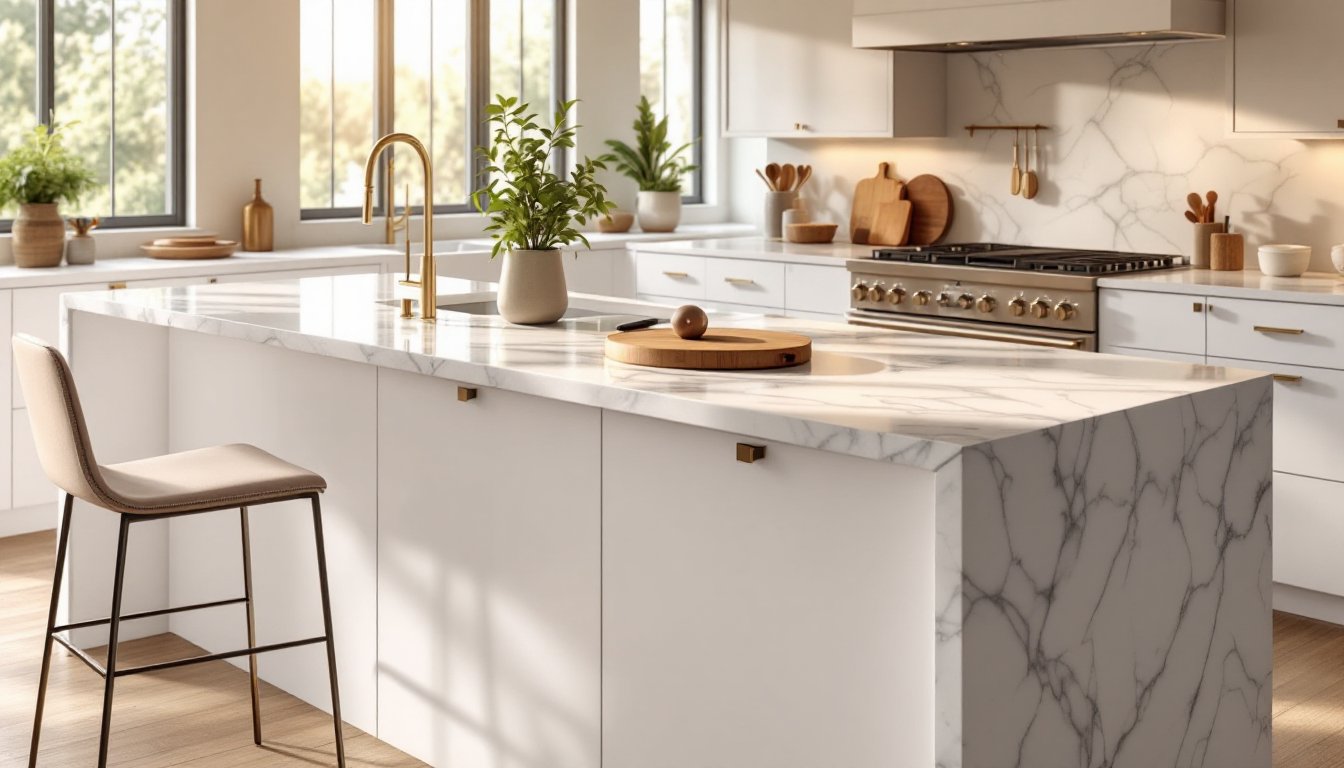
A marble kitchen island isn’t just a functional work surface, it’s the centerpiece of your kitchen, where daily meals prep happens and conversations linger. Marble brings timeless elegance and durability to the space, transforming it into something both beautiful and practical. Whether you’re planning a full kitchen remodel or upgrading your existing island, understanding the options for a marble kitchen island helps you make a choice that fits your style, budget, and lifestyle. This guide walks you through everything homeowners need to know about selecting, designing, installing, and maintaining a marble kitchen island.
Table of Contents
ToggleKey Takeaways
- A marble kitchen island serves as both a functional work surface and centerpiece, offering natural cooling properties ideal for pastry work and food preparation, making it a timeless investment that adds genuine home value.
- Marble types vary significantly in cost and appearance—Carrara marble is affordable and softer in style, while Calacatta offers dramatic veining at premium prices, so understanding porosity levels and finish options (honed vs. polished) helps you choose the right fit for your lifestyle and maintenance commitment.
- Professional installation is essential to prevent cracking and uneven surfaces; ensure your base cabinet can support 12–15 pounds per square foot and plan electrical, gas, and ventilation (especially if above a cooktop) during the design phase before fabrication begins.
- Marble requires ongoing care including sealing every 6–12 months, avoiding acidic substances and heat damage, using coasters and trivets, and wiping spills immediately—but this patina and aging over time is part of marble’s lasting character and appeal.
- Budget $3,200 to $10,000 for a typical 40-square-foot marble kitchen island installed, but consider hybrid approaches or marble-look quartz alternatives if cost is tight; these engineered options offer lower maintenance and better heat resistance while still delivering elegant aesthetics.
- Get quotes from at least three local stone fabricators to account for regional pricing differences, and don’t let cost alone drive the decision—choose quality materials and professional installation you’ll enjoy maintaining for decades rather than settling for cheaper alternatives you may regret.
Why Choose Marble For Your Kitchen Island
Marble has been a kitchen staple for centuries, and there’s good reason. It stays naturally cool to the touch, making it ideal for pastry work, candy making, or just resting your hands on a hot day. The material’s smooth, nonporous surface resists staining better than many alternatives, and its weight provides stability that lighter countertop materials can’t match.
Ventilation and thermal mass make marble practical, too. Unlike laminate or lighter-weight composites, marble dissipates heat slowly, which is why professional bakers and pastry chefs prefer it. The stone’s natural variation, veining, color shifts, subtle surface texture, means no two marble islands look identical. Resources like Remodelista showcase design sourcebooks and curated product guides that highlight marble’s visual appeal across different kitchen styles.
Marble does require maintenance and care, but for many homeowners, the aesthetic and functional payoff is worth it. It’s a long-term investment that adds genuine value to your home and becomes a focal point you’ll enjoy using and looking at every day.
Types Of Marble For Kitchen Islands
Not all marble is the same. Carrara marble, quarried in Italy, features soft gray and white veining and is one of the most affordable marble options. Calacatta marble is pricier, with bolder, more dramatic veining in cream and gold tones. Statuario marble, also Italian, offers subtle gray lines and a brighter white base. Each type has different porosity levels, which affects stain resistance.
Domestic options like Vermont marble and Tennessee marble are less common but available. Marble variants like Volakas (white with gray accents) and Emperador (darker brown tones) work if you want something less traditional.
When selecting a specific marble slab for your kitchen island, request a honed finish if you prefer a matte appearance, or a polished finish for glossy, reflective surfaces. Honed finishes show water spots less noticeably but are more porous and require more frequent sealing. Polished finishes look luxurious but demand regular maintenance to maintain that shine and protect against etch marks from acidic foods and liquids.
Slab thickness matters too. Standard countertop thickness is 1¼ inches (nominal), but premium installations often use thicker slabs that add visual weight and durability. Always ask your stone supplier about the specific porosity rating and recommended sealing frequency for your chosen marble type.
Design Styles And Layouts
A marble kitchen island works with nearly any aesthetic. In modern kitchens, a simple waterfall edge, where marble wraps down the sides of the island, creates clean lines and minimalist appeal. Farmhouse and cottage styles benefit from Carrara marble with softer veining paired with distressed wood bases. Transitional designs balance contemporary marble tops with traditional cabinetry underneath.
Layout depends on your kitchen’s footprint. Larger kitchens accommodate an island 4 feet by 3 feet or bigger, providing workspace on all sides. Smaller kitchens may use a narrower island (2 feet by 4 feet) that offers functionality without overwhelming the space. The Kitchn provides kitchen design ideas and small kitchen solutions that show how marble islands fit into real homes across different room sizes.
Consider breakfast bar overhang if you want seating. A typical overhang is 12 to 15 inches, which gives your knees clearance and leaves room for a bar stool toe kick. Counterstools typically sit 24 to 30 inches from the floor, so ensure your island height matches standard 36-inch countertop height.
Ventilation is critical. If your island sits above a cooktop, install a down-draft system or range hood to protect your marble from moisture and heat damage. Waterfall marble kitchen island edges are striking, but keep heat sources away from the sides. Electrical outlets and gas supply lines require proper planning, mark these during design before fabrication begins.
Installation And Maintenance Essentials
Professional installation is strongly recommended for marble kitchen islands. Improper installation can lead to cracking, uneven surfaces, and warranty voids. A stone fabricator will cut, edge, and seal your slab, then install it on your base cabinet using specialized adhesives and support brackets. Expect installation to take one to three days, depending on complexity and whether your substructure needs reinforcement.
Before installation, ensure your base cabinet is level and can support the marble’s weight, roughly 12 to 15 pounds per square foot. Your kitchen’s floor joists must be adequately spaced and supported. If you have questions about load-bearing capacity, consult a structural engineer, especially for older homes with 16-inch or wider joist spacing.
After installation, seal your marble every 6 to 12 months, depending on use and the sealer type. Use a penetrating sealer (not a topical one) that’s designed for marble. Avoid acidic substances like lemon juice, vinegar, and wine on unsealed surfaces, they etch marble, creating dull spots that can be permanent. Wipe spills immediately with a soft cloth and pH-neutral cleaner.
Use coasters under glasses, trivets under hot pots, and cutting boards when chopping. Marble scratches under hard use, but minor scratches add character over time. If you can’t accept the patina and aging that comes with marble, home decorating and interior design inspiration showcases alternative materials like quartz or sintered stone that mimic marble’s look with lower maintenance.
Budget Considerations And Cost-Effective Alternatives
Marble pricing varies widely. A mid-range Carrara slab costs roughly $40 to $60 per square foot, while premium Calacatta or Statuario runs $80 to $150 per square foot. Fabrication and installation add $30 to $100 per square foot depending on edge profiles, cutouts, and complexity. A typical 40-square-foot island costs $3,200 to $10,000 installed, before cabinetry.
If budget is tight, consider a hybrid approach: marble countertop on the island with more economical cabinetry below, or a marble accent top on one side with a more durable material on the working side facing the cooktop. Engineered marble or marble-look quartz (sintered stone) costs 30 to 50 percent less and handles heat and staining better. Quartz is non-porous and doesn’t need sealing, making it a low-maintenance option that still looks elegant.
Regional pricing matters significantly. Marble availability and shipping costs differ whether you live near quarries or require imported stone. Get quotes from at least three local fabricators and suppliers before committing. Many offer free design consultations and 3D mockups to help you visualize your kitchen island and budget accordingly. Don’t let cost alone drive the decision, a $5,000 marble island you’ll enjoy for 20 years beats a $2,000 alternative you’ll regret after five.
Conclusion
A marble kitchen island combines timeless beauty with practical function, transforming your kitchen into a space you’ll use and admire daily. Whether you choose classic Carrara or invest in premium Calacatta, understanding marble’s characteristics, its cooling properties, maintenance needs, and design versatility, sets you up for a successful project. Budget realistically, work with a qualified stone fabricator, and commit to the care routine marble requires. Done right, a marble kitchen island becomes an anchor point for your kitchen that adds value, character, and enduring appeal to your home.