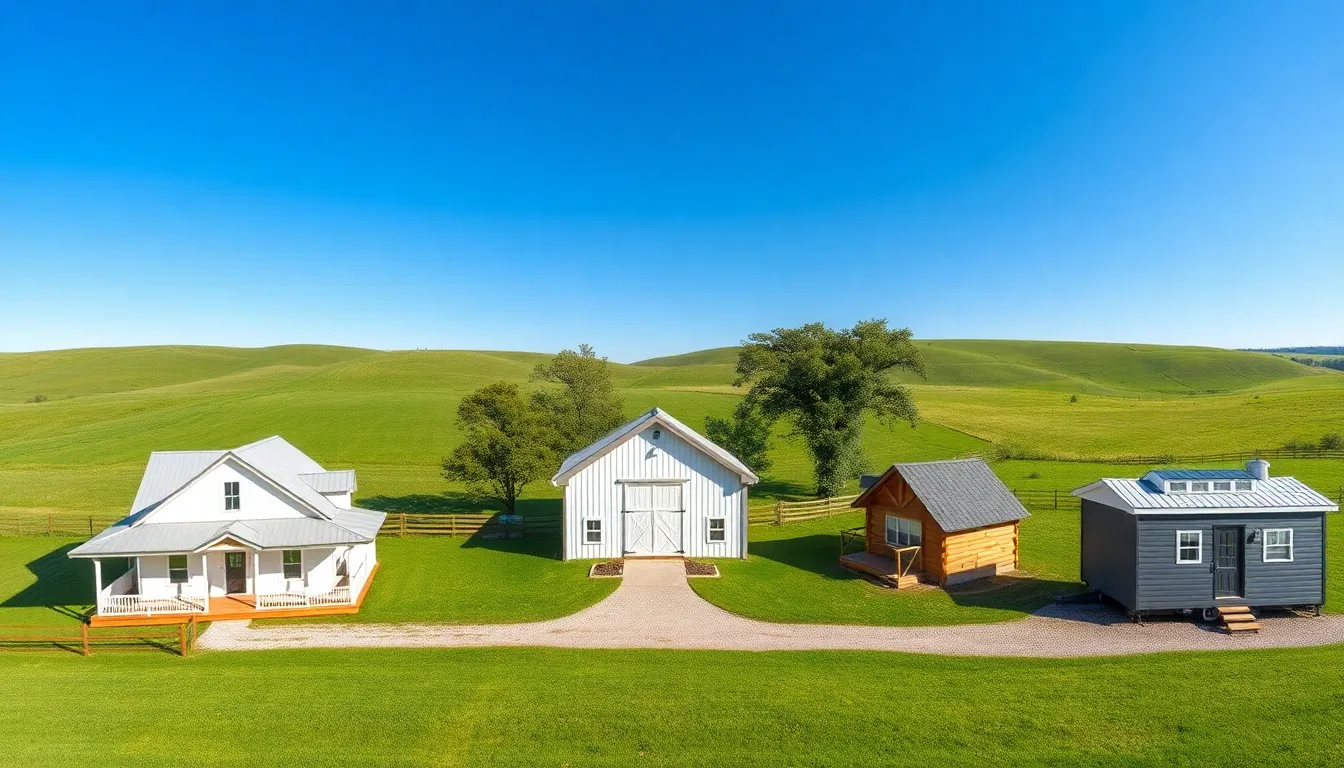
Rural housing options examples range from classic farmhouses to modern tiny homes, each offering unique benefits for country living. People move to rural areas for many reasons, lower costs, more space, quieter surroundings, or a desire to live closer to nature. The housing choices available reflect this diversity.
Finding the right rural home depends on budget, lifestyle, and land availability. Some buyers want a traditional homestead with acreage. Others prefer a low-maintenance manufactured home or a cozy cabin retreat. This guide explores the most popular rural housing options examples, breaking down what makes each type practical, affordable, and well-suited for life outside city limits.
Table of Contents
ToggleKey Takeaways
- Rural housing options examples include farmhouses, manufactured homes, tiny homes, barndominiums, and log cabins—each suited to different budgets and lifestyles.
- Manufactured and modular homes cost 10% to 35% less per square foot than traditional construction, making them among the most affordable rural housing choices.
- Tiny homes ranging from $30,000 to $60,000 offer a practical path to mortgage-free country living with minimal maintenance.
- Barndominiums combine residential comfort with workshop or storage space at 30% to 50% lower construction costs than conventional homes.
- Traditional farmhouses and homesteads provide acreage for self-sufficient living, including gardens, livestock, and off-grid infrastructure.
- Always check local zoning regulations before purchasing, as requirements for minimum square footage and building types vary by county.
Traditional Farmhouses and Homesteads
Traditional farmhouses remain one of the most recognizable rural housing options examples in America. These homes typically feature large kitchens, wrap-around porches, and multiple bedrooms designed to accommodate families and farm operations.
Farmhouses often sit on several acres of land. This layout supports gardening, livestock, and outbuildings like barns or workshops. Many older farmhouses were built with local materials, stone foundations, hardwood floors, and timber framing that has lasted generations.
Buying an existing farmhouse can be cost-effective compared to new construction. Properties in less populated counties often sell for significantly less than suburban homes of similar size. But, older homes may need updates to plumbing, electrical systems, or insulation.
Homesteads take the farmhouse concept further. A homestead includes land and infrastructure for self-sufficient living. This might mean a well, septic system, garden plots, chicken coops, or solar panels. For buyers interested in growing food or raising animals, homesteads offer a ready-made setup.
The appeal of traditional farmhouses extends beyond function. Many people appreciate the craftsmanship and character these homes provide. Wide plank floors, original woodwork, and historic details add charm that newer construction often lacks.
Manufactured and Modular Homes
Manufactured and modular homes represent some of the most affordable rural housing options examples available today. These factory-built structures cost 10% to 35% less per square foot than traditional site-built homes.
Manufactured homes are built entirely in a factory and transported to the property. They must meet federal HUD codes for safety and construction quality. Single-wide models start around $50,000, while double-wide homes with more space typically range from $100,000 to $150,000.
Modular homes differ in one key way: they’re assembled on-site from factory-built sections. Once installed, modular homes must meet the same local building codes as traditional construction. This often means higher quality standards and better resale value.
Both options work well for rural properties. Installation requires less time and labor than conventional building. A manufactured home can be move-in ready within weeks of delivery. This speed matters in rural areas where construction crews and materials may be harder to find.
Modern manufactured and modular homes look nothing like the “mobile homes” of past decades. Today’s models feature open floor plans, energy-efficient windows, and finishes comparable to site-built houses. Buyers can customize layouts, exteriors, and interior features to match their preferences.
For rural land with road access and utility connections, these homes offer a practical path to affordable country living.
Tiny Homes and Cottage Dwellings
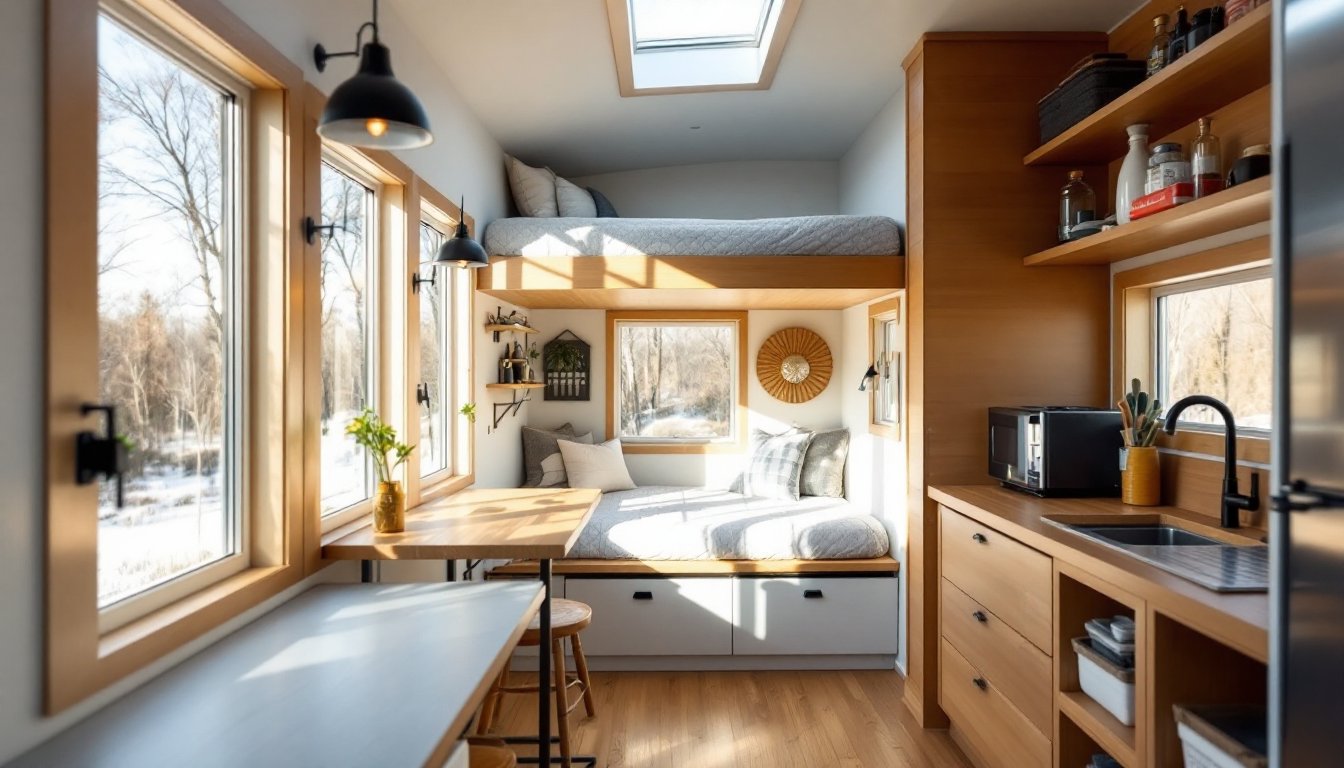
Tiny homes and cottages have gained popularity as rural housing options examples for minimalist living. These compact structures typically measure under 400 square feet, though cottages may extend to 800 or 1,000 square feet.
The financial benefits are obvious. A tiny home costs between $30,000 and $60,000 on average. Some DIY builders complete projects for under $15,000. Lower purchase prices mean smaller mortgages, or no mortgage at all.
Tiny homes suit several rural living scenarios. Retirees downsize to reduce expenses and maintenance. Young buyers use them as starter homes while building equity. Property owners add tiny homes as guest houses, rental units, or home offices.
Cottages offer slightly more space while maintaining a simple footprint. A well-designed cottage includes a full kitchen, bathroom, bedroom, and living area. Many cottage floor plans use lofts or multi-purpose rooms to maximize square footage.
Zoning regulations vary by county for tiny homes and cottages. Some rural areas have minimal restrictions, making these small structures easier to place. Others require minimum square footage or prohibit full-time occupancy of structures on wheels. Buyers should check local codes before purchasing.
Off-grid tiny homes work especially well on remote rural land. Solar power, composting toilets, and rainwater collection systems eliminate the need for utility connections. This independence appeals to buyers seeking rural housing options examples that reduce monthly costs and environmental impact.
Barndominiums and Converted Agricultural Structures
Barndominiums blend residential living with agricultural building design. These structures combine metal barn construction with comfortable living quarters, creating unique rural housing options examples that stand out from traditional homes.
A typical barndominium features a steel frame and metal exterior. The interior includes standard residential amenities: bedrooms, bathrooms, kitchens, and living spaces. Many owners dedicate part of the structure to workshops, garages, or storage.
Construction costs for barndominiums run 30% to 50% lower than conventional homes. Metal buildings require fewer materials and less labor to erect. The open interior layout also reduces framing costs and allows flexible floor plans.
Converted agricultural structures offer another path to rural housing. Old barns, grain silos, and farm buildings can become distinctive homes with the right renovation. These conversions preserve historic structures while creating living spaces with high ceilings, exposed beams, and industrial character.
Barn conversions require more planning than new construction. Structural assessments determine what modifications the building can support. Adding insulation, plumbing, and electrical systems to agricultural structures demands specialized work.
Barndominiums and barn conversions appeal to buyers who want space for hobbies, businesses, or agricultural activities alongside their living quarters. The combination of residential comfort and functional workspace makes these rural housing options examples particularly practical for farmers, craftspeople, and small business owners.
Log Cabins and Timber Frame Homes
Log cabins and timber frame homes evoke the classic image of rural American living. These wood-based structures offer durability, natural insulation, and aesthetic appeal that many country dwellers prize.
Log cabins use stacked horizontal logs for walls. Traditional full-log construction creates thick, solid walls that provide excellent thermal mass. This means cabins stay cooler in summer and retain heat in winter. Modern log homes often combine traditional exteriors with contemporary interiors and amenities.
Log cabin kits make this housing option accessible to more buyers. Kit prices start around $50,000 for small cabins and reach $200,000 or more for larger homes. Assembly requires some construction skill but costs less than hiring contractors for full custom builds.
Timber frame homes use large wooden posts and beams joined with traditional joinery. The exposed framework creates open interior spaces with cathedral ceilings and visible wood craftsmanship. Timber frame construction costs more than standard building methods but produces homes that can last centuries.
Both log cabins and timber frame homes suit wooded rural properties. The natural materials blend with forested surroundings. Owners often source logs or timber from their own land, reducing material costs.
Maintenance requirements differ between styles. Log cabins need regular sealing and staining to protect exterior wood. Timber frame homes with conventional siding require less upkeep. Either option rewards owners with a distinctive home that connects them to rural building traditions.
These rural housing options examples work well for permanent residences, vacation retreats, or rental properties in scenic areas.