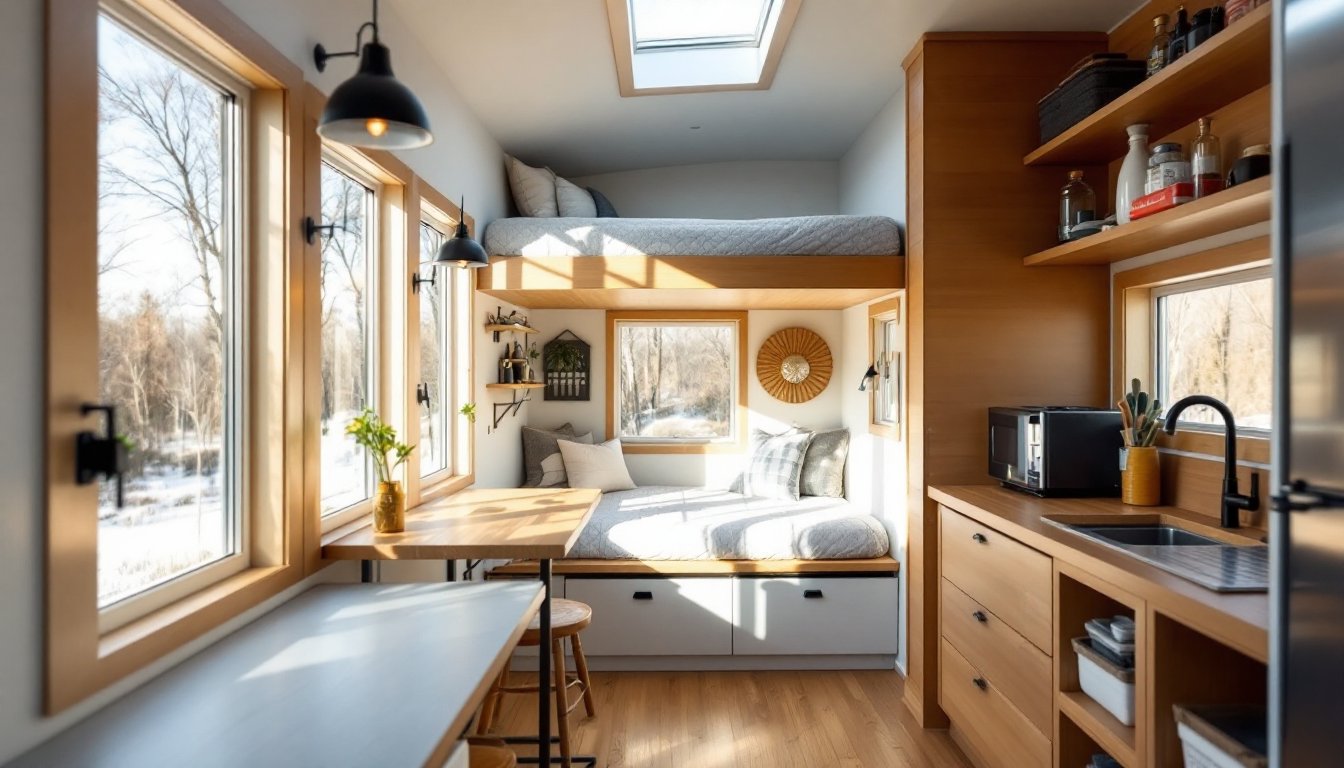
Rural housing options for beginners offer an exciting path to affordable property ownership, open space, and a slower pace of life. More Americans are leaving cities behind. They’re trading traffic jams for dirt roads and cramped apartments for sprawling acreage. But where does someone new to country living even start?
This guide covers everything first-time rural home buyers need to know. From log cabins to manufactured homes, financing programs to well water systems, the information here will help beginners make smart decisions about rural housing options. Whether the goal is a hobby farm, a quiet retirement spot, or simply more room to breathe, the right rural property is out there waiting.
Table of Contents
ToggleKey Takeaways
- Rural housing options for beginners include farmhouses, manufactured homes, log cabins, new construction, and fixer-uppers—each with unique benefits and budget considerations.
- USDA Rural Development Loans offer zero-down-payment financing, making rural housing options accessible to first-time buyers with limited savings.
- Before purchasing rural property, verify the water source, septic system condition, road access, and internet availability to avoid costly surprises.
- Rural living offers lower property costs, more privacy, and reduced taxes, but requires adjustments like longer commutes and self-sufficiency skills.
- Remote work has made rural housing options more practical than ever for young professionals and families seeking affordable property ownership.
- Beginners should research local zoning laws and emergency service response times before committing to a rural property.
Why Choose Rural Living
People choose rural housing options for many reasons. Lower property costs top most lists. A buyer can often get three times the land and double the square footage for the same price as a suburban home.
Privacy attracts many rural home seekers. Neighbors might be a quarter-mile away instead of ten feet. That means no shared walls, no HOA rules about lawn height, and nobody complaining about the dog barking.
Rural areas also offer:
- Lower property taxes in most counties
- Cleaner air and less noise pollution
- Space for hobbies like gardening, raising animals, or building workshops
- Stronger community ties in small towns
The trade-offs exist too. Longer commutes, fewer restaurants, and slower internet speeds come with the territory. But for beginners exploring rural housing options, the benefits often outweigh these inconveniences.
Remote work has changed the equation dramatically. People who once needed city jobs can now work from a farmhouse with a decent internet connection. This shift has made rural housing options more practical than ever for young professionals and families.
Types of Rural Homes to Consider
Rural housing options come in more varieties than most beginners realize. Each type has distinct advantages depending on budget, lifestyle, and long-term plans.
Traditional Farmhouses
Older farmhouses offer character and solid construction. Many were built before modern building codes but feature quality craftsmanship. Buyers should expect renovation needs, updated electrical, plumbing, and insulation are common projects. Prices vary widely based on condition and acreage included.
Manufactured and Modular Homes
These factory-built homes provide affordable entry points for rural housing options. Modern manufactured homes bear little resemblance to old-style mobile homes. They meet HUD standards, come in various sizes, and cost significantly less than site-built homes. A new manufactured home on rural land often runs 30-50% cheaper than traditional construction.
Log Cabins and Timber Frame Homes
Log cabins remain popular rural housing options for those wanting rustic aesthetics. Kit cabins can be assembled by handy owners, reducing costs. Custom log homes cost more but last generations with proper maintenance.
New Construction
Building new on rural land gives buyers full control over layout, materials, and energy efficiency. But, construction costs have risen sharply. Beginners should budget extra for site preparation, well drilling, and septic installation, expenses that suburban buyers don’t face.
Fixer-Uppers
Rural areas have no shortage of properties needing work. These rural housing options attract buyers willing to trade sweat equity for lower purchase prices. A solid structure with cosmetic issues can become a dream home over time.
Key Factors When Buying Rural Property
Buying rural housing options differs substantially from purchasing suburban homes. Beginners should investigate several factors before making offers.
Water Source
Most rural properties rely on private wells rather than municipal water. Buyers must test well water for bacteria, minerals, and contaminants. Well depth, flow rate, and recovery time all matter. A failing well can cost $10,000-$20,000 to replace.
Septic Systems
Rural housing options typically include septic systems instead of sewer connections. Inspections reveal tank condition, drain field function, and remaining lifespan. A new septic system runs $5,000-$15,000 depending on soil conditions and local requirements.
Road Access
Some rural properties sit at the end of private roads or easements. Buyers need clear legal access documented in writing. Maintenance responsibilities for shared roads should be spelled out before closing.
Utilities and Internet
Electricity reaches most rural areas, but natural gas often doesn’t. Propane and heating oil fill that gap. Internet options range from fiber (rare) to satellite (common). Beginners should verify available speeds before assuming they can work remotely.
Zoning and Land Use
County zoning determines what buyers can do with rural housing options. Some areas restrict livestock, home businesses, or additional structures. Checking zoning before purchasing prevents frustrating surprises later.
Financing Options for Rural Homes
Financing rural housing options works differently than standard home loans. Several programs specifically help rural home buyers.
USDA Rural Development Loans
The U.S. Department of Agriculture offers zero-down-payment loans for eligible rural areas. These loans help low-to-moderate income buyers purchase rural housing options without large savings. Income limits apply, and the property must be in a USDA-designated rural zone. Many areas just outside cities qualify.
FHA Loans
FHA loans work for rural housing options meeting property standards. The 3.5% down payment requirement helps first-time buyers with limited savings. But, manufactured homes must meet specific age and foundation requirements to qualify.
Conventional Loans
Standard mortgages apply to rural housing options, though some lenders hesitate on properties with unusual features or extensive acreage. Buyers may need to shop multiple lenders. Properties over 10 acres sometimes require agricultural or land loans instead.
VA Loans
Veterans and active military can use VA loans for eligible rural housing options. Zero down payment and competitive rates make this an excellent choice for qualifying buyers.
Seller Financing
Some rural property sellers offer owner financing. This arrangement helps buyers who struggle with traditional lending requirements. Terms vary widely, buyers should have attorneys review any seller-financed agreements.
Essential Considerations Before Moving
Choosing rural housing options involves more than finding the right property. Lifestyle adjustments come with country living.
Emergency Services
Response times stretch longer in rural areas. Ambulances might take 20-30 minutes. Fire departments often rely on volunteers. Buyers should factor distance to hospitals into their decisions, especially families with young children or elderly members.
Schools and Services
Rural school districts vary enormously in quality. Parents should research specific districts before committing to rural housing options. Grocery stores, medical clinics, and other services may require significant drives.
Seasonal Challenges
Snow removal, mud season, and unpaved road conditions affect daily life. Rural housing options at the end of long driveways need equipment for winter maintenance. Four-wheel-drive vehicles become necessities in many areas.
Self-Sufficiency Skills
Rural living rewards handy people. Basic plumbing, electrical troubleshooting, and equipment operation save money and frustration. Beginners should plan to learn these skills or budget for service calls.
Community Integration
Small rural communities have established social networks. New residents who participate in local events, support area businesses, and contribute to community life integrate faster than those who keep to themselves.