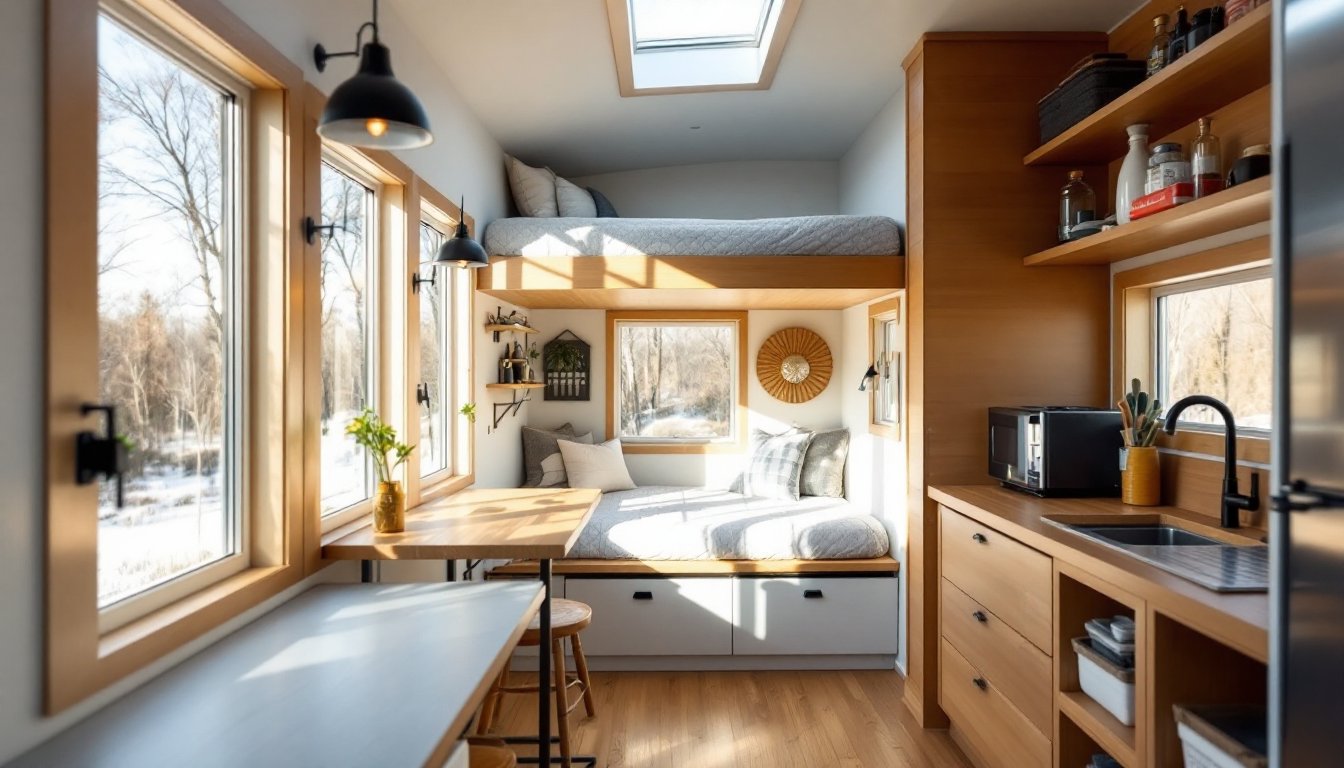
Rural housing options strategies help buyers find affordable homes outside crowded urban centers. The appeal of country living continues to grow as remote work becomes standard and housing prices in cities climb higher each year. Whether someone dreams of a farmhouse with acreage or a modest cabin near a small town, understanding the rural real estate market makes all the difference.
This guide covers the essential rural housing options strategies that buyers need to succeed. From understanding local markets to securing the right financing, these approaches turn the dream of country living into reality.
Table of Contents
ToggleKey Takeaways
- Rural housing options strategies require understanding unique market dynamics, including limited supply, seasonal demand, and local economic factors.
- USDA Rural Development Loans offer zero down payment and competitive rates, making them ideal for qualifying rural homebuyers.
- Always test well water quality and inspect septic systems before closing on a rural property to avoid costly surprises.
- Research internet connectivity, cell service, and distance to essential services like hospitals and grocery stores before committing to a location.
- Property types range from traditional single-family homes to manufactured homes and raw land, each with distinct costs and maintenance requirements.
- Review county zoning regulations carefully to ensure you can use the property as intended, whether for livestock, outbuildings, or other purposes.
Understanding Rural Housing Markets
Rural housing markets operate differently than their urban counterparts. Supply tends to be limited, and properties stay on the market longer. Buyers who understand these dynamics position themselves for better deals.
Supply and Demand Factors
Rural areas typically have fewer listings at any given time. A county with 50,000 residents might see only 20-30 homes listed per month. This scarcity means buyers must act quickly when the right property appears.
Demand patterns also differ. Seasonal fluctuations affect rural markets more heavily. Spring and summer bring more buyers, while winter months often present better negotiating opportunities.
Local Economic Influences
Rural housing values tie closely to local industries. A region dependent on agriculture, mining, or timber will see prices rise and fall with those sectors. Smart buyers research the economic health of an area before committing.
Job availability matters too. Areas within commuting distance of regional employment centers tend to hold value better than isolated locations.
Market Research Tips
Successful rural housing options strategies start with solid research. Buyers should:
- Study property sales from the past 12-24 months
- Talk to local real estate agents who specialize in rural properties
- Visit the area during different seasons
- Check county records for land use regulations and zoning
This groundwork prevents costly surprises down the road.
Types of Rural Housing Options
Rural housing options strategies must account for the variety of property types available. Each comes with distinct advantages and challenges.
Traditional Single-Family Homes
Standard houses in small towns or on small lots remain the most common rural housing option. These properties often cost 30-50% less than comparable urban homes. They typically connect to municipal water and sewer systems, reducing maintenance concerns.
Farmhouses and Agricultural Properties
Properties with significant acreage appeal to buyers wanting space for gardens, livestock, or simply privacy. These homes often include outbuildings like barns or workshops. Buyers should budget for higher maintenance costs and property taxes on larger parcels.
Manufactured and Modular Homes
Manufactured homes offer an affordable entry point into rural living. Modern manufactured homes meet strict building codes and can appreciate in value when placed on owned land. Modular homes, built in sections at factories, provide another cost-effective option with quality comparable to traditional construction.
Cabins and Recreational Properties
For those seeking weekend retreats or eventual retirement homes, cabins represent a popular rural housing option. These range from rustic structures without utilities to fully equipped vacation homes. Buyers should verify year-round accessibility and utility availability.
Land with Building Potential
Some buyers prefer purchasing raw land and constructing their ideal home. This approach offers maximum customization but requires careful planning. Septic permits, well drilling, and utility access can add significant costs.
Financing Strategies for Rural Properties
Financing represents a critical component of rural housing options strategies. Traditional mortgages don’t always work for country properties, but several alternatives exist.
USDA Rural Development Loans
The U.S. Department of Agriculture offers loans specifically for rural homebuyers. These programs feature:
- Zero down payment requirements for qualifying buyers
- Competitive interest rates
- Flexible credit requirements
- Income limits based on area median income
USDA loans apply to properties in designated rural areas, which include many suburban fringe locations. Buyers can check eligibility maps on the USDA website.
FHA Loans for Rural Properties
FHA loans work well for rural housing purchases. They accept down payments as low as 3.5% and accommodate lower credit scores. But, the property must meet FHA safety and livability standards, which can exclude some older rural homes.
Conventional Mortgages with Rural Considerations
Conventional loans remain available for rural properties, though appraisal challenges sometimes arise. Limited comparable sales in rural areas can complicate the valuation process. Buyers may need larger down payments for properties that appraise below the purchase price.
Owner Financing Options
Some rural property sellers offer owner financing, also called land contracts. This arrangement benefits buyers who struggle to qualify for traditional loans. Terms vary widely, so buyers should have contracts reviewed by an attorney.
Construction Loans for Building
Those purchasing land to build need construction loans that convert to permanent mortgages upon completion. These loans require detailed building plans and contractor agreements. Interest rates tend to run slightly higher than standard mortgages.
Key Considerations Before Buying Rural Property
Effective rural housing options strategies address practical concerns that urban buyers rarely encounter. These factors can make or break country living satisfaction.
Water and Septic Systems
Most rural properties rely on private wells and septic systems rather than municipal services. Buyers should:
- Test well water quality before closing
- Have septic systems inspected by licensed professionals
- Understand maintenance requirements and replacement costs
- Check water table levels and drought history in the area
Well drilling costs range from $5,000 to $15,000 depending on depth and geology. Septic system replacement runs $10,000 to $30,000.
Internet and Cell Service
Reliable connectivity matters more than ever. Rural areas often lack high-speed internet options. Buyers should test cell phone reception at the property and research available internet providers. Satellite internet and fixed wireless services have improved but still lag behind urban options.
Road Access and Maintenance
Private roads require owner maintenance, including snow removal, grading, and eventual repaving. Buyers should understand road maintenance agreements with neighbors sharing access. Some lenders hesitate to finance properties on poorly maintained private roads.
Distance to Services
The nearest hospital, grocery store, and school might be 20, 30, or more miles away. Buyers should drive these routes during their property search to understand true commute times. Emergency response times in rural areas run significantly longer than urban averages.
Zoning and Land Use Rights
County zoning regulations affect what owners can do with their property. Some areas prohibit certain livestock, restrict building sizes, or require permits for accessory structures. Buyers should review all applicable regulations before purchasing.