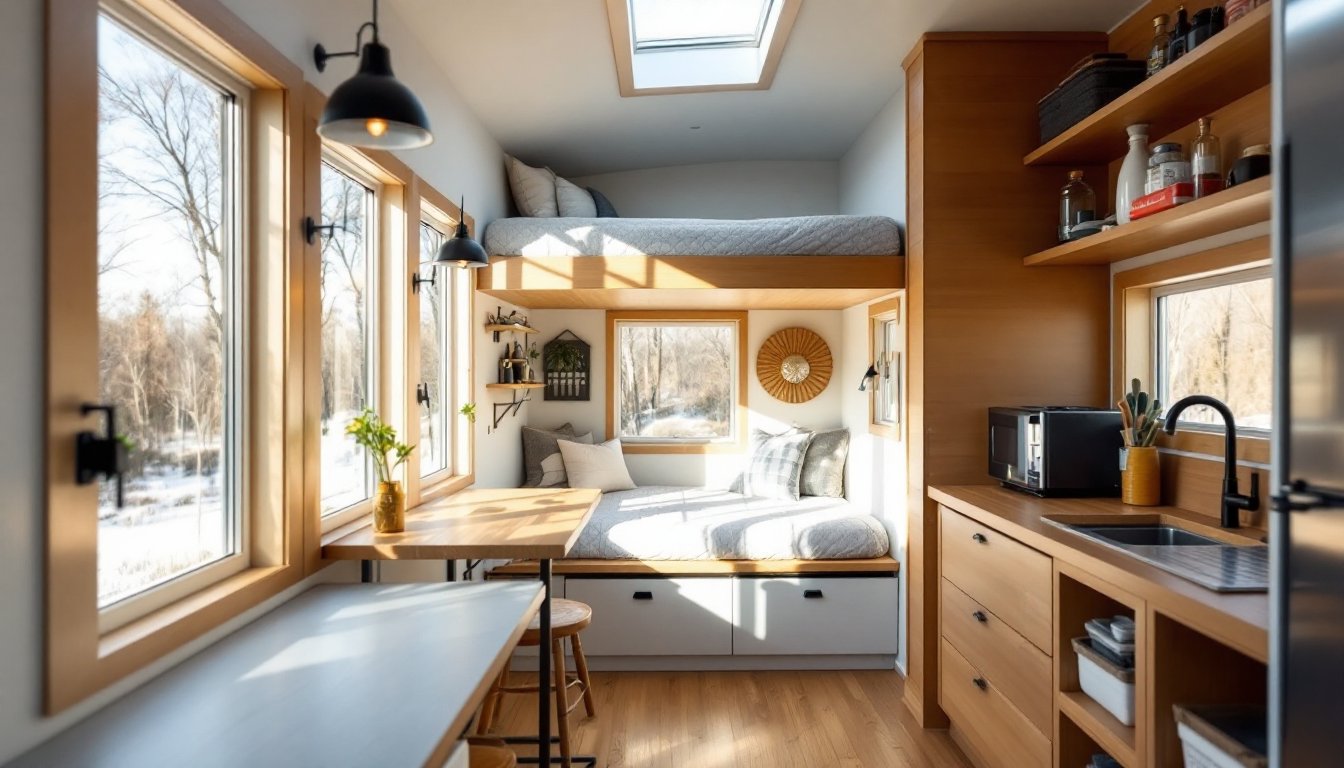
Rural housing options offer freedom that suburban and urban living simply can’t match. Wide-open land, lower costs per acre, and the ability to build exactly what you want, these draw thousands of families to country living each year.
But building in rural areas comes with its own set of decisions. Which construction method fits your land and budget? How do you handle utilities when you’re miles from the nearest power line? What financing options actually work for rural properties?
This guide covers practical rural housing options and techniques for anyone planning to build a country home. From timber frame construction to off-grid systems, readers will find clear answers to the questions that matter most.
Table of Contents
ToggleKey Takeaways
- Rural housing options offer significant cost savings, with land prices averaging 50-70% less than suburban areas and greater construction flexibility.
- Budget for essential infrastructure like well drilling ($5,000-$15,000) and septic systems ($6,000-$20,000) before starting any rural build.
- Modular and prefabricated homes solve labor shortages in remote areas while costing 10-20% less than traditional site-built construction.
- Off-grid solar systems now cost $15,000-$30,000 installed, making energy independence practical for rural homeowners.
- USDA Rural Development loans provide zero-down financing for eligible buyers, making rural housing options more accessible.
- Always test for well water viability and septic approval before purchasing rural land to avoid costly surprises.
Understanding Rural Housing Challenges and Opportunities
Rural housing options present a unique mix of benefits and obstacles. On one hand, land prices in rural counties average 50-70% less than suburban equivalents. On the other hand, infrastructure that city dwellers take for granted, water, sewer, electricity, may not exist.
The first challenge most rural builders face is access. Properties without maintained roads require gravel driveways, which can cost $3,000 to $15,000 depending on distance and terrain. Some parcels need easements through neighboring land, adding legal complexity before construction even begins.
Utility access shapes every decision. Rural properties often lack municipal water and sewer connections. Builders must budget for well drilling ($5,000-$15,000 on average) and septic system installation ($6,000-$20,000). These aren’t optional expenses, they’re foundational requirements.
Yet the opportunities outweigh these hurdles for many families. Rural housing options allow for larger structures on bigger lots without HOA restrictions. Homeowners can keep livestock, run home businesses, and build workshops or barns alongside their primary residence. Privacy becomes the default rather than a luxury.
Another advantage? Construction flexibility. Rural zoning tends to be more permissive than suburban codes. This opens doors to alternative building methods, straw bale, earth-sheltered, or container homes, that might face rejection in more regulated areas.
Smart rural builders conduct thorough site assessments before purchasing land. They test for well water viability, check soil percolation rates for septic approval, and verify that the property can support their intended structure. This upfront work prevents costly surprises later.
Popular Rural Home Construction Methods
Choosing the right construction method depends on budget, timeline, climate, and personal preferences. Rural housing options include everything from traditional stick-built homes to innovative prefabricated systems. Each approach has distinct advantages worth understanding.
Timber Frame and Log Homes
Timber frame construction uses large wooden posts and beams joined with traditional joinery techniques. The exposed wood creates striking interiors with high ceilings and open floor plans. These homes perform well in cold climates due to excellent insulation potential between structural members.
Log homes remain popular in rural settings, particularly forested regions. Modern log construction has evolved significantly, today’s log homes feature engineered logs that minimize settling and cracking. Expect to pay $150-$300 per square foot for quality log home construction, including finishing work.
Both timber frame and log homes suit DIY-minded owners. Many companies sell kit packages with pre-cut materials and detailed instructions. A handy owner can save 30-40% on labor costs by handling assembly personally, though structural work typically requires professional oversight.
Modular and Prefabricated Structures
Modular homes offer speed and quality control that site-built construction can’t match. Factories produce home sections in climate-controlled environments, then transport them to rural sites for assembly. A complete modular home can be weather-tight within days of delivery.
Prefabricated rural housing options have shed their “trailer home” reputation. Modern modular construction meets or exceeds local building codes. Designs range from simple ranch layouts to multi-story custom plans. Costs typically run 10-20% below equivalent site-built homes.
For remote properties, modular construction solves a practical problem: finding skilled labor. Rural areas often lack sufficient contractors for traditional builds. Modular homes arrive largely complete, requiring fewer specialized workers for final assembly.
Steel-frame prefab structures offer another option for rural builders. These buildings go up quickly, resist pests and fire, and require minimal maintenance. Many rural homeowners use steel structures for “barndominiums”, combined living and workshop spaces that suit agricultural lifestyles.
Off-Grid and Sustainable Housing Solutions
Off-grid living attracts a growing number of rural property owners. Modern technology makes self-sufficient housing more practical than ever before. Solar panel costs have dropped 70% since 2010, putting independent power within reach for average budgets.
A complete off-grid solar system for a modest rural home costs $15,000-$30,000 installed. This includes panels, batteries, inverters, and charge controllers. Most systems provide 5-10 kW of capacity, enough to run standard appliances, lighting, and climate control in well-insulated homes.
Water independence requires well drilling or rainwater harvesting. Rainwater collection systems work surprisingly well in areas with moderate rainfall. A 2,000-square-foot roof can capture over 1,200 gallons from a single inch of rain. Filtration and UV treatment make this water safe for all household uses.
Passive solar design reduces energy needs from the start. South-facing windows, thermal mass floors, and proper overhangs let the sun heat homes in winter while blocking summer heat. These design choices cost little extra during construction but slash heating bills permanently.
Rural housing options increasingly include earth-sheltered and bermed designs. Partially underground homes maintain stable temperatures year-round. The surrounding earth provides natural insulation, cutting heating and cooling costs by 50-80% compared to conventional above-ground construction.
Composting toilets and greywater systems reduce water demands and eliminate septic complications. While not for everyone, these systems work well for rural properties where traditional septic installation proves difficult or expensive.
Financing and Zoning Considerations for Rural Properties
Financing rural housing options differs from standard home loans. Traditional mortgages work best for established properties with clear comparables. New construction on raw land requires different approaches.
USDA Rural Development loans offer zero-down financing for eligible rural areas and income levels. These loans cover both land purchase and construction costs. Income limits apply, generally 115% of area median income, but many rural households qualify.
Construction-to-permanent loans bundle building costs and final mortgage into single closings. Lenders release funds in stages as construction progresses. Rural builders should expect slightly higher interest rates and larger down payments (typically 20-25%) compared to suburban construction loans.
Owner-builder financing presents challenges. Most banks hesitate to lend when the borrower also serves as general contractor. Some credit unions and agricultural lenders offer more flexibility for owner-built rural housing options. Building a strong relationship with local lenders helps considerably.
Zoning affects what owners can build and how they can use their property. Rural zoning categories vary widely by county. Agricultural zones often permit residential construction but may restrict lot sizes or building placement. Some rural areas have minimal zoning, a double-edged sword that allows freedom but provides no protection from neighboring land uses.
Building permits remain required in most rural counties, even unzoned ones. Permit costs and inspection requirements vary dramatically. Some counties charge flat fees under $500: others calculate permits as percentages of construction value, reaching several thousand dollars for larger homes.
Setback requirements dictate how far structures must sit from property lines and roads. Rural setbacks often exceed suburban standards, 100 feet from road centerlines isn’t unusual. Buyers should verify setback rules before purchasing narrow or oddly shaped parcels.
Septic permits require soil testing and site approval before construction begins. Failed perc tests can render otherwise attractive land unbuildable. Always make land purchases contingent on septic approval to avoid costly mistakes.