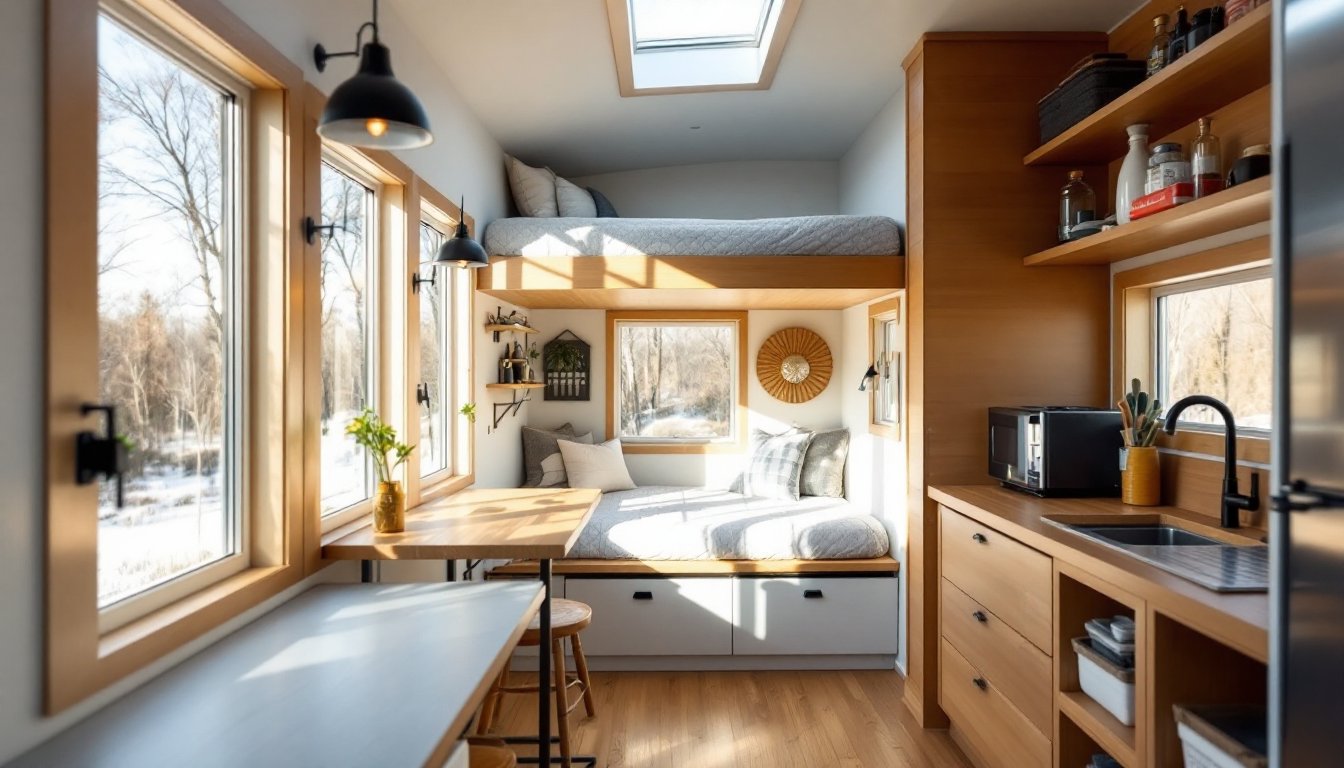
Rural housing options tips can help buyers make smart decisions when moving to the countryside. Many people dream of owning a country home with open space, fresh air, and a slower pace of life. But, buying rural property differs significantly from purchasing a suburban or urban home. Buyers face unique challenges including well water systems, septic tanks, limited internet access, and longer distances to services. This guide covers the essential rural housing options tips that every prospective buyer should know. From understanding different property types to securing the right financing, these insights will help anyone find their ideal country home.
Table of Contents
ToggleKey Takeaways
- Rural housing options range from traditional farmhouses to manufactured homes—match your lifestyle needs with the right property type before searching.
- Always evaluate distance to essential services, road access, zoning restrictions, and property boundaries before committing to a rural purchase.
- USDA Rural Development Loans offer zero-down-payment financing for eligible buyers in designated rural areas with competitive interest rates.
- Test well water quality, inspect septic systems, and verify internet and cell service availability before closing on any rural property.
- Budget for rural-specific costs like private road maintenance, backup generators, and propane or heating oil for year-round comfort.
- Get pre-approved for financing early and work with lenders experienced in rural transactions to strengthen your offer.
Understanding the Types of Rural Housing Available
Rural housing options tips start with knowing what types of properties exist. Buyers can choose from several distinct categories, each with its own benefits and drawbacks.
Traditional Farmhouses offer historic charm and often sit on large plots of land. These homes may need updates to electrical, plumbing, and insulation systems. Buyers should budget for renovations when considering older farmhouses.
Manufactured and Modular Homes provide affordable entry points for rural living. Modern manufactured homes meet strict building codes and can include energy-efficient features. They cost 10-35% less per square foot than site-built homes, making them popular rural housing options.
New Construction allows buyers to build exactly what they want on their chosen land. This option requires purchasing land separately and working with contractors familiar with rural building requirements. Construction timelines typically run 6-12 months.
Log Cabins and A-Frames appeal to buyers seeking a rustic aesthetic. These structures work well in wooded areas and mountain regions. They require specific maintenance including log treatment and roof inspections.
Ranch-Style Homes remain popular in agricultural areas. Single-story layouts offer accessibility and easy maintenance. Many include outbuildings like barns, workshops, or storage sheds.
Each housing type suits different needs. Buyers should match their lifestyle requirements with the right property type before beginning their search.
Key Factors to Consider Before Buying Rural Property
Smart rural housing options tips always include careful evaluation of location factors. Country properties come with considerations that urban buyers rarely encounter.
Distance to Services affects daily life significantly. Buyers should drive the route to grocery stores, hospitals, schools, and their workplace during different times and weather conditions. A scenic 30-minute drive becomes challenging in winter snow or spring mud.
Road Access and Maintenance determines year-round usability. Private roads may require owner maintenance, including snow removal and gravel replenishment. Some rural properties use easements across neighboring land, buyers must verify these legal rights before purchasing.
Zoning and Land Use Restrictions vary widely between counties. Some areas allow livestock, home businesses, and accessory dwelling units. Others restrict these activities. Checking county zoning maps prevents future disappointment.
Property Boundaries need professional surveying. Rural parcels sometimes have unclear or disputed boundaries. A survey costs $300-800 and prevents expensive legal issues later.
Neighbors and Community shape the rural living experience. Attending local events or visiting the nearby town helps buyers understand the area’s culture. Some communities welcome newcomers warmly: others take time to accept outsiders.
Wildlife and Environmental Factors require consideration. Deer eat gardens, coyotes threaten pets, and flooding affects low-lying areas. Local residents provide the best information about these challenges.
These rural housing options tips help buyers avoid common mistakes. Taking time to research thoroughly pays off in long-term satisfaction.
Financing Options for Rural Homes
Securing financing represents a critical step in rural home buying. Several programs exist specifically for country properties, and understanding them ranks among the most valuable rural housing options tips.
USDA Rural Development Loans offer zero-down-payment financing for eligible buyers. Properties must sit in designated rural areas, and borrowers must meet income limits. These loans feature competitive interest rates and reduced mortgage insurance costs. The USDA website includes maps showing eligible areas.
Conventional Mortgages work for rural properties meeting standard appraisal requirements. Lenders may hesitate on properties with acreage exceeding 10 acres or those lacking conventional utilities. Buyers should find lenders experienced with rural transactions.
FHA Loans accept lower credit scores and smaller down payments. But, properties must meet minimum condition standards. Older rural homes may need repairs before qualifying.
VA Loans serve eligible veterans and active military members with no down payment requirement. These loans work well for rural properties when appraisals support the purchase price.
Land Loans finance vacant parcels when buyers plan to build later. These carry higher interest rates and shorter terms than traditional mortgages. Some buyers use land loans temporarily, then refinance into construction loans.
Local Banks and Credit Unions sometimes offer portfolio loans for unique rural properties. These lenders keep loans in-house rather than selling them, allowing more flexibility in underwriting.
Buyers should get pre-approved before searching seriously. Pre-approval letters strengthen offers and clarify budget limits. These rural housing options tips on financing help buyers find the right loan for their situation.
Essential Infrastructure and Utilities to Evaluate
Infrastructure evaluation forms a crucial part of rural housing options tips. Country properties often rely on systems that differ completely from urban utilities.
Water Supply typically comes from private wells in rural areas. Buyers should request well inspection reports showing flow rate, water quality, and equipment condition. Flow rates below 5 gallons per minute may prove insufficient for household needs. Water testing should check for bacteria, nitrates, and minerals.
Septic Systems handle wastewater on most rural properties. Sellers should provide septic inspection reports and pumping records. Replacement costs range from $5,000-25,000 depending on system type and soil conditions. Failed septic systems can prevent property sales entirely.
Electricity reaches most rural homes, but service reliability varies. Some areas experience frequent outages during storms. Backup generators provide peace of mind and cost $3,000-15,000 installed.
Internet and Cell Service remain limited in many rural locations. Buyers should test cell signal strength on the property and research internet providers before purchasing. Satellite internet serves remote areas but comes with higher latency and data caps. Fixed wireless and fiber options continue expanding into rural communities.
Propane or Heating Oil fuels most rural heating systems. Annual heating costs depend on home size, insulation quality, and local fuel prices. Buyers should ask sellers about typical annual heating expenses.
Road Conditions affect property access. Gravel driveways need periodic maintenance. Steep grades become dangerous in ice or snow. Some rural properties require four-wheel-drive vehicles during certain seasons.
These infrastructure rural housing options tips prevent expensive surprises after closing. Thorough inspection saves thousands in unexpected repairs.