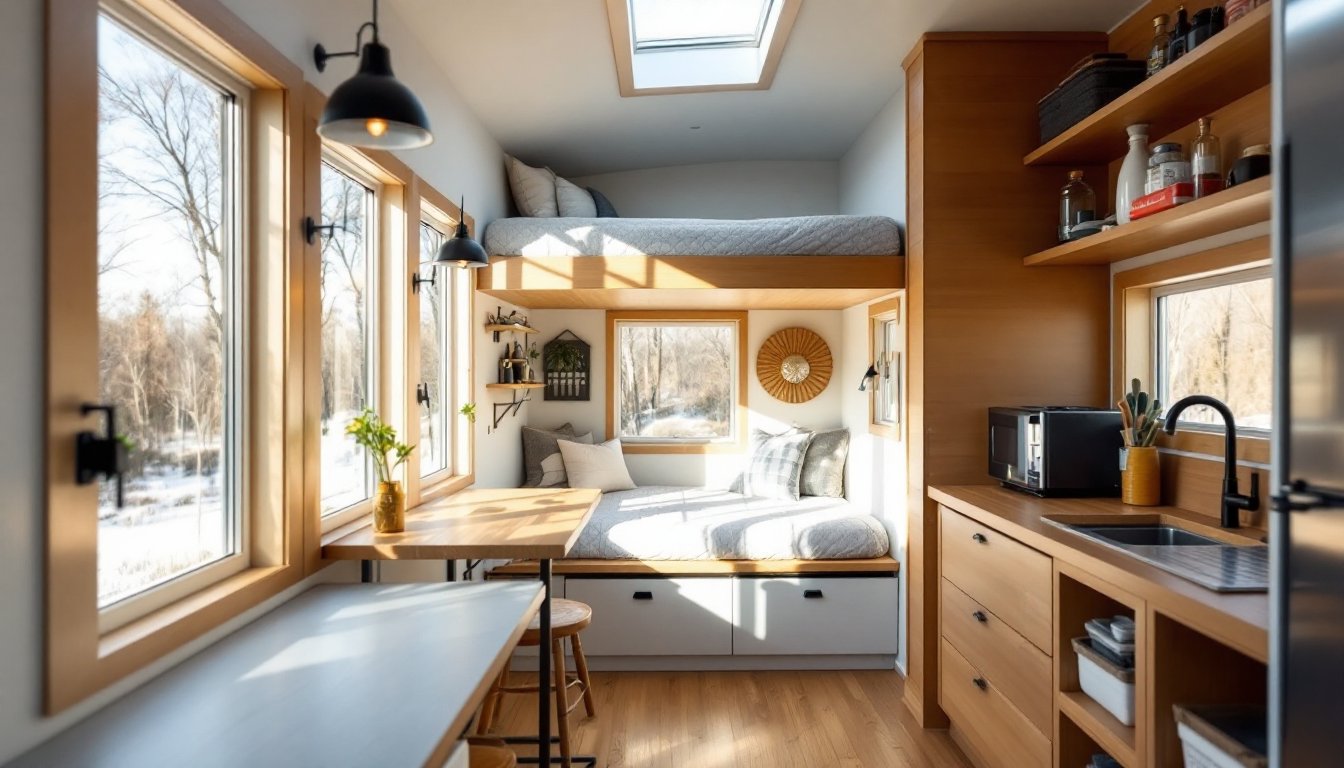
Rural housing options trends 2026 point to significant changes in how people live outside urban centers. More buyers are looking at countryside properties as remote work becomes permanent for millions of workers. Home designs now prioritize sustainability, and new construction methods make rural living more accessible than ever.
This shift isn’t happening in a vacuum. Rising urban costs, improved internet infrastructure, and changing lifestyle preferences are pushing families toward rural communities. The housing market is responding with innovative solutions that address long-standing barriers to country living.
Here’s what buyers, builders, and investors should expect from rural housing options trends 2026.
Table of Contents
ToggleKey Takeaways
- Rural housing options trends 2026 are driven by permanent remote work, with demand for home offices increasing 40% since 2020.
- Sustainable features like solar panels, passive house design, and water conservation systems are becoming standard expectations in rural homes.
- Modular and prefab homes offer 10-20% cost savings and faster build times, making rural living more accessible.
- Improved satellite internet and smart home technology are closing the gap between rural and urban home capabilities.
- USDA Rural Development loans, VA loans, and expanded conventional lending programs provide flexible financing for rural buyers.
- Rural home prices remain 30-50% lower than urban equivalents, offering significant affordability advantages for families priced out of cities.
The Shift Toward Remote Work and Rural Living
Remote work has fundamentally changed where people can live. A 2024 Stanford study found that 27% of U.S. workers now work from home at least part-time. This percentage continues to grow, and rural areas are direct beneficiaries.
Workers no longer need to commute daily. They can choose homes based on space, cost, and quality of life rather than proximity to an office. Rural housing options trends 2026 reflect this reality. Demand for properties with dedicated home offices has increased 40% since 2020.
Small towns are seeing population growth for the first time in decades. Communities in states like Montana, Vermont, and Tennessee report significant influxes of new residents. These newcomers bring economic activity and tax revenue, which improves local services and infrastructure.
The work-from-anywhere model particularly appeals to younger families. They want larger yards for children, lower costs of living, and less traffic. Rural areas deliver on all three fronts.
Employers have adjusted too. Many companies now offer location-flexible positions as a standard benefit. This policy shift removes the final barrier for workers considering rural relocation. The trend shows no signs of reversing in 2026.
Sustainable and Eco-Friendly Home Designs
Sustainability drives many rural housing decisions in 2026. Buyers want homes that reduce environmental impact and lower utility bills. Builders are responding with green construction practices.
Solar panel installations on rural homes have doubled since 2022. Open land and fewer shading obstacles make rural properties ideal for solar energy. Many new builds include panels as standard features rather than upgrades.
Passive house design principles are gaining traction. These homes use superior insulation, airtight construction, and strategic window placement to minimize heating and cooling needs. Energy costs can drop by 90% compared to conventional construction.
Water conservation systems are another focus. Rainwater harvesting, greywater recycling, and efficient well systems help rural homeowners manage water resources independently. These features matter in areas without municipal water service.
Building materials are changing too. Reclaimed wood, recycled steel, and low-VOC finishes appear in more rural home plans. Buyers increasingly request natural and locally sourced materials.
Rural housing options trends 2026 show that eco-friendly isn’t just a preference, it’s becoming an expectation. Green homes also command higher resale values, making sustainability a smart financial choice.
Modular and Prefab Homes Gaining Popularity
Modular and prefab homes are reshaping rural housing options trends 2026. These factory-built structures offer quality, speed, and cost advantages that traditional construction can’t match.
Modular homes are built in controlled factory environments. Weather delays don’t affect production. Quality control is consistent. A home that takes six months to build on-site can be completed in six to eight weeks as a modular unit.
Costs typically run 10-20% lower than stick-built homes. Labor shortages affect rural areas significantly, and factory construction bypasses this problem. Buyers get more home for their budget.
The stigma around prefab housing has faded. Modern modular homes feature open floor plans, high-end finishes, and custom designs. Many are indistinguishable from traditionally built homes once installed.
Lenders now offer standard mortgage products for modular construction. This financing accessibility removes a previous obstacle for buyers. Appraisers value these homes comparably to site-built properties.
Prefab also supports sustainable building. Factory construction generates less waste. Transportation of completed modules is efficient. Many manufacturers use eco-friendly materials and processes.
For rural buyers facing contractor shortages and high labor costs, modular homes provide a practical solution. Expect this segment to grow substantially through 2026.
Technology and Smart Home Integration in Rural Areas
Technology infrastructure in rural areas has improved dramatically. This progress enables smart home features that were previously unavailable outside cities. Rural housing options trends 2026 include significant tech upgrades.
Starlink and similar satellite internet services now cover most rural regions. Download speeds rival urban fiber connections. Remote workers can video conference without lag. Smart home devices function reliably.
Home automation systems are becoming standard in new rural construction. Smart thermostats, security cameras, automated lighting, and voice assistants work seamlessly with satellite internet. Buyers expect these features.
Energy management technology is particularly valuable in rural settings. Smart systems monitor solar production, battery storage, and grid usage. Homeowners optimize energy consumption and reduce costs automatically.
Security technology addresses rural-specific concerns. Motion-activated cameras cover large properties. Smart locks allow remote access for deliveries and service providers. Integration with local emergency services improves response times.
Agricultural technology also influences rural home design. Properties with hobby farms or gardens benefit from automated irrigation, soil monitoring, and climate control systems. These tools help part-time farmers succeed.
The technology gap between rural and urban homes is closing rapidly. By 2026, rural buyers will have access to the same smart home capabilities as their urban counterparts.
Affordability and Financing Options for Rural Buyers
Affordability remains a key advantage for rural housing. Median home prices in rural areas run 30-50% lower than urban equivalents. Land costs are significantly cheaper. Buyers get more space for less money.
USDA Rural Development loans continue to support buyers in 2026. These programs offer zero down payment options for eligible properties and borrowers. Income limits apply, but many middle-class families qualify.
VA loans work well for rural purchases. Veterans can buy homes with no down payment and competitive interest rates. Rural properties often meet VA requirements easily.
Conventional lenders have expanded rural lending programs. Banks recognize the growing demand and have adjusted underwriting criteria. Appraisal processes better account for rural property values.
Rural housing options trends 2026 include creative financing solutions. Land contracts, lease-to-own arrangements, and owner financing help buyers who don’t fit traditional lending profiles. These options particularly benefit self-employed remote workers.
Construction loans for rural builds have become more accessible. Lenders finance modular home purchases and on-site construction. Down payment requirements have decreased for qualified borrowers.
State and local programs supplement federal options. Many rural communities offer incentives to attract new residents. These include property tax abatements, down payment assistance, and relocation grants.
For buyers priced out of urban markets, rural areas offer genuine opportunity. The combination of lower prices and favorable financing makes homeownership achievable.