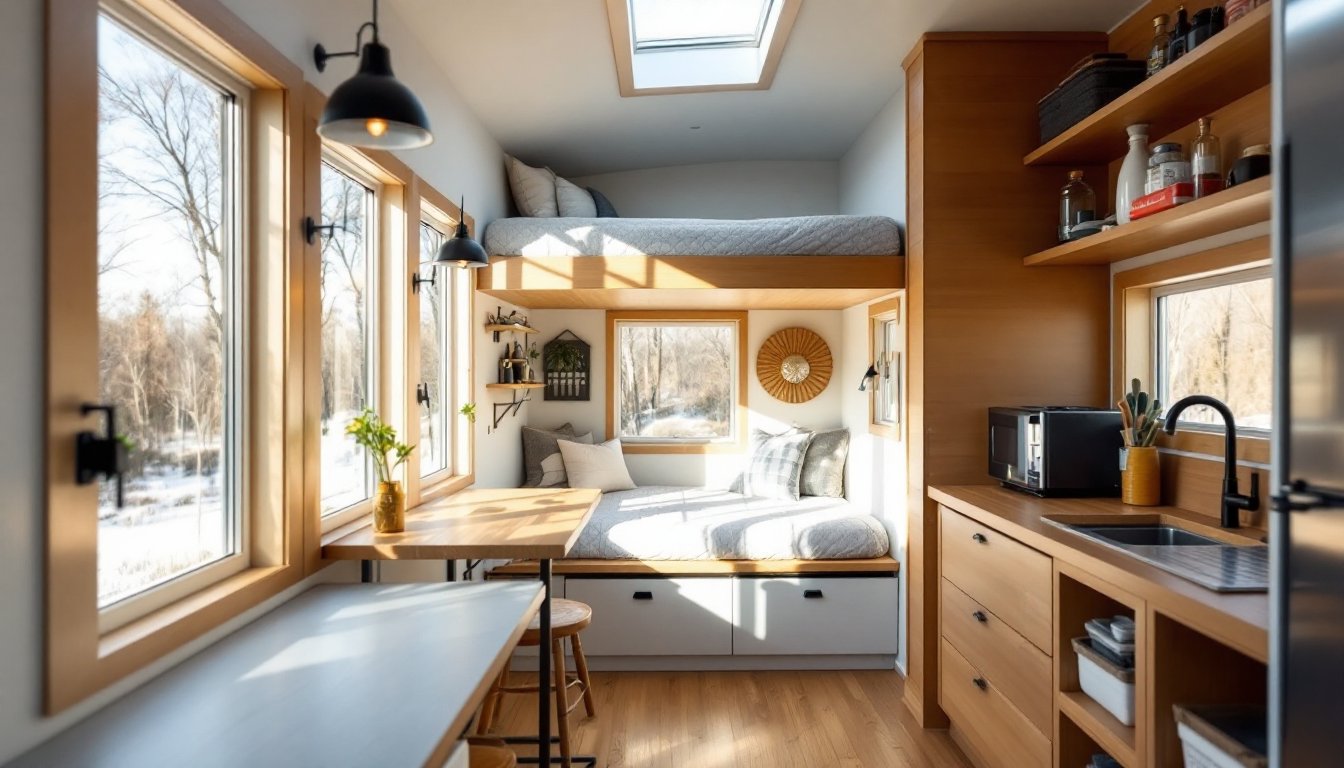
Rural housing options attract buyers who want more space, quieter surroundings, and a slower pace of life. Whether someone dreams of a farmhouse with acreage or a modern manufactured home on a few wooded lots, country living offers possibilities that urban and suburban markets simply can’t match.
This guide breaks down the main types of rural homes available, explains financing routes specific to rural properties, and covers the practical considerations, like land, location, and utilities, that every buyer should understand before making a move. Rural housing options vary widely by region, budget, and lifestyle goals, so having a clear picture of what’s out there makes all the difference.
Table of Contents
ToggleKey Takeaways
- Rural housing options include single-family homes, farmhouses, manufactured homes, and modular homes—each offering unique benefits based on budget and lifestyle.
- USDA loans provide zero-down-payment financing for eligible buyers, making rural housing options more accessible than many realize.
- Manufactured and modular homes can cost up to 50% less per square foot than traditional construction while meeting modern safety standards.
- Before purchasing rural property, verify zoning rules, legal road access, flood zone status, and soil quality to avoid costly surprises.
- Most rural homes rely on wells, septic systems, and propane instead of municipal utilities—budget $15,000 to $40,000 for new installations if needed.
- Internet access and proximity to essential services like hospitals and schools should factor into any rural property decision.
Types of Rural Homes Available
Rural housing options fall into several categories, each with distinct advantages. The right choice depends on budget, land preferences, and how much customization a buyer wants.
Single-Family Homes and Farmhouses
Traditional single-family homes remain the most common rural housing options. These include everything from modest ranch-style houses to historic farmhouses with original character. Many buyers are drawn to older farmhouses because they often sit on larger parcels and feature outbuildings like barns, sheds, or workshops.
Farmhouses typically offer more square footage per dollar compared to suburban homes. A property that might cost $400,000 in a metro area could run $200,000 or less in a rural county. But, older homes may need updates to plumbing, electrical systems, or insulation.
New construction is also an option. Building a single-family home on rural land gives buyers control over layout, materials, and energy efficiency. Custom builds take longer and require more upfront planning, but they allow homeowners to design exactly what they need.
Manufactured and Modular Homes
Manufactured and modular homes represent some of the most affordable rural housing options on the market. These aren’t the flimsy trailers of decades past. Modern manufactured homes meet HUD standards for safety and durability, while modular homes are built to local building codes and often look identical to site-built houses.
Manufactured homes cost significantly less than traditional construction, sometimes 50% less per square foot. They can be placed on owned land or in manufactured home communities. Financing options have expanded in recent years, making these homes accessible to more buyers.
Modular homes offer a middle ground. Factories build them in sections, then transport and assemble them on-site. They appreciate in value more like traditional homes and qualify for conventional mortgages. For buyers who want quality construction at a lower price point, modular homes deserve serious consideration.
Financing Your Rural Property
Financing rural housing options works differently than buying in a suburb. Lenders sometimes view rural properties as higher risk, which affects loan terms and availability.
USDA loans stand out as the primary financing tool for rural buyers. The U.S. Department of Agriculture offers zero-down-payment mortgages to eligible buyers in qualifying rural areas. These loans have income limits and geographic restrictions, but they provide an excellent path to homeownership for those who qualify. USDA loans cover single-family homes and some manufactured homes that meet specific criteria.
FHA loans also work for rural housing options. The Federal Housing Administration insures mortgages with down payments as low as 3.5%. FHA loans accept lower credit scores than conventional loans, making them useful for first-time buyers or those rebuilding credit.
Conventional loans remain available for rural properties, though lenders may require larger down payments, sometimes 20% or more, for homes on large acreage or in remote locations. Appraisals can be tricky in rural areas because comparable sales may be limited.
For buyers purchasing land separately or building new construction, construction loans and land loans come into play. These typically carry higher interest rates and shorter terms. Some buyers secure a construction-to-permanent loan that converts to a standard mortgage once building finishes.
Local banks and credit unions often have more experience with rural housing options than national lenders. They understand local markets and may offer more flexible terms for properties that big banks consider unconventional.
Land and Location Considerations
Choosing the right land matters as much as choosing the right house. Rural housing options come with land-related factors that suburban buyers rarely consider.
Zoning rules vary dramatically between counties. Some rural areas have minimal restrictions, allowing agricultural use, home businesses, or multiple structures on a single parcel. Others have strict zoning that limits what owners can do with their property. Buyers should check zoning classifications before purchasing.
Access is another critical factor. Many rural properties connect to public roads via easements across neighboring land. Buyers need to verify that legal access exists and understand any maintenance responsibilities for private roads or driveways. A beautiful property loses appeal if reaching it becomes a hassle.
Flood zones affect both insurance costs and building options. FEMA flood maps show risk levels for specific parcels. Properties in high-risk zones require flood insurance and may face building restrictions. Even properties outside official flood zones can experience drainage issues.
Soil quality matters for buyers planning gardens, septic systems, or agricultural use. A soil test reveals composition, drainage capacity, and suitability for septic installation. Poor soil can add thousands of dollars to construction costs or limit what crops will grow.
Proximity to services shapes daily life. Rural housing options often mean longer drives to grocery stores, medical facilities, and schools. Buyers should map out distances to essential services and consider how those drives will feel in winter weather or emergencies.
Essential Utilities and Infrastructure
Rural housing options require buyers to think about utilities in ways that urban buyers never do. Not every rural property has access to municipal water, sewer, or natural gas.
Wells supply water to most rural homes. Drilling a new well costs between $5,000 and $15,000 depending on depth and geology. Existing wells should be tested for flow rate and water quality before purchase. Some regions face groundwater contamination or seasonal shortages that affect well reliability.
Septic systems handle wastewater when municipal sewer isn’t available. Installing a new septic system runs $10,000 to $25,000 depending on soil conditions and local requirements. Buyers of existing homes should request septic inspection and pumping records. Failing septic systems cost a lot to replace.
Electricity reaches most rural areas, but remote properties may sit far from power lines. Extending utility lines can cost $10,000 or more per mile. Some buyers opt for solar panel systems with battery storage instead of paying for line extensions. Solar technology has improved dramatically, making off-grid living more practical than ever.
Internet access varies widely in rural areas. High-speed fiber remains rare outside towns. Many rural residents rely on DSL, fixed wireless, or satellite internet. Starlink and similar satellite services have expanded options for remote properties, though monthly costs run higher than urban broadband.
Propane and heating oil replace natural gas in most rural housing options. Buyers need to budget for fuel delivery and tank maintenance. Wood-burning stoves and outdoor wood boilers remain popular as supplemental or primary heat sources in heavily wooded areas.