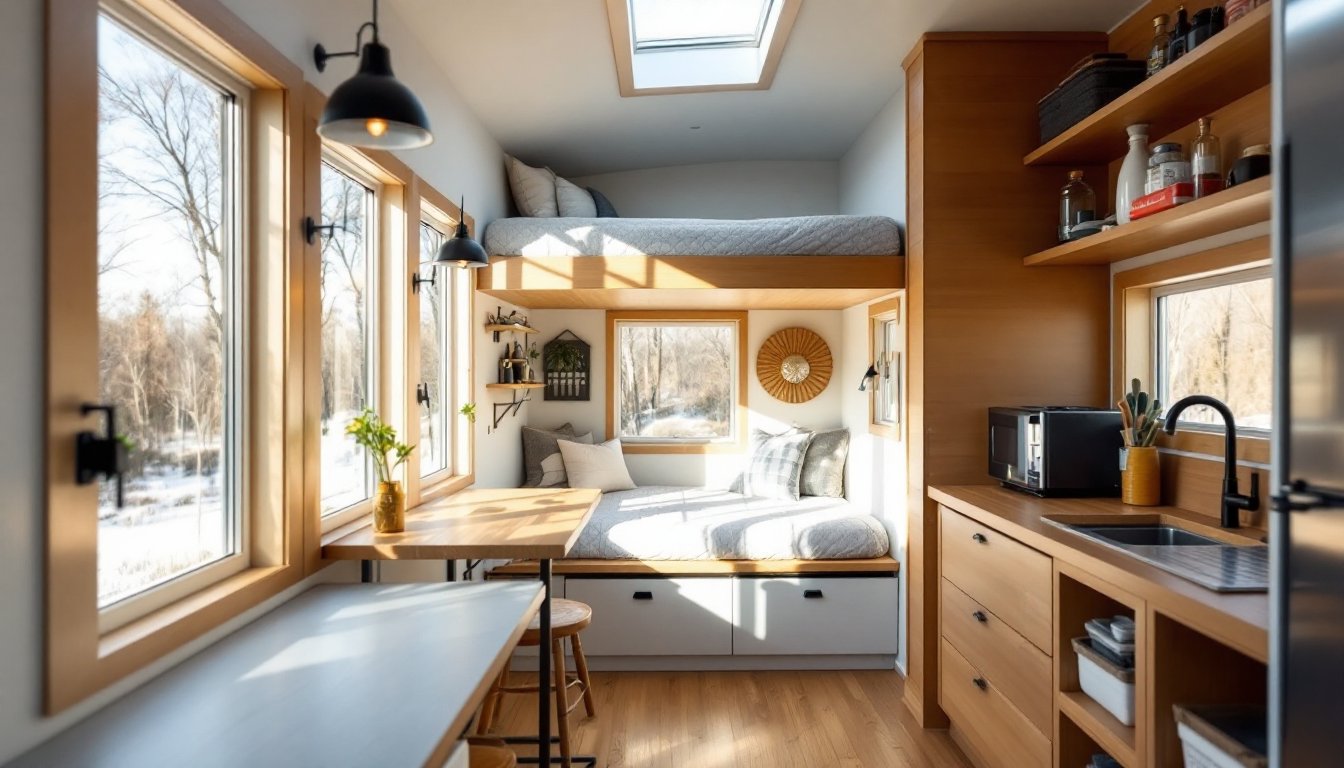
Finding the top rural housing options starts with understanding what country living actually demands. Rural properties differ from suburban homes in key ways, larger lots, well water systems, septic tanks, and often limited access to utilities. These factors shape the type of home that works best.
Whether someone dreams of a classic farmhouse or a modern modular build, rural housing offers surprising variety. Each option comes with distinct advantages, costs, and lifestyle trade-offs. This guide breaks down the most popular rural housing options available today, helping buyers match their budget and preferences to the right property type.
Table of Contents
ToggleKey Takeaways
- Top rural housing options include traditional farmhouses, modular homes, log cabins, and barndominiums—each with unique costs and lifestyle benefits.
- Modular and manufactured homes offer the most affordable rural housing options, costing $50–$100 per square foot compared to $150+ for site-built construction.
- Traditional farmhouses provide character and agricultural potential but often require renovation budgets for outdated electrical, plumbing, and foundation issues.
- Barndominiums combine living and workspace affordably, though buyers should verify zoning regulations before purchasing land.
- Choose your rural housing option based on budget, maintenance tolerance, land characteristics, and financing availability to find the best long-term fit.
Traditional Farmhouses
Traditional farmhouses remain among the top rural housing options for buyers who want character and history. These homes typically feature wraparound porches, large kitchens, and multiple bedrooms built to accommodate extended families.
Most farmhouses were constructed between 1850 and 1950. They often sit on several acres, sometimes with original outbuildings like barns, chicken coops, or root cellars still intact. The architecture varies by region, New England farmhouses tend toward simple colonial styles, while Southern versions often include raised foundations and wider porches for ventilation.
Buyers should expect renovation costs with older farmhouses. Common issues include outdated electrical systems, aging plumbing, and foundation repairs. But, many rural housing options in this category qualify for historic preservation tax credits, which can offset restoration expenses.
The appeal of farmhouses extends beyond aesthetics. These properties often include established orchards, mature trees, and cleared land ready for gardens or livestock. For buyers seeking rural housing options with immediate agricultural potential, a traditional farmhouse delivers.
Modular and Manufactured Homes
Modular and manufactured homes represent some of the most affordable rural housing options on the market. Factory construction keeps costs low while maintaining quality standards that meet or exceed traditional building codes.
Modular homes arrive in sections and get assembled on-site with a permanent foundation. They appreciate in value like conventional homes and qualify for standard mortgages. Manufactured homes, built entirely in factories and transported whole, cost even less but may depreciate over time depending on the land arrangement.
Prices for modular rural housing options range from $50 to $100 per square foot, compared to $150 or more for site-built construction. A 1,500-square-foot modular home might cost $75,000 to $150,000 before land and site preparation.
Rural properties suit these homes particularly well. Large lots accommodate the delivery trucks and cranes needed for installation. Remote locations, where skilled construction labor is scarce, benefit from factory-built precision. Many buyers choose modular rural housing options specifically because they can place a quality home on land that would otherwise be difficult to develop.
Modern designs have shed the “trailer” stigma. Today’s modular homes include craftsman-style exteriors, open floor plans, and energy-efficient features that rival any site-built structure.
Log Cabins and Timber Frame Homes
Log cabins and timber frame homes offer rural housing options that blend with natural surroundings. These structures use wood as both the structural system and the finished interior surface, creating a distinctive aesthetic that appeals to country living enthusiasts.
Log homes use horizontally stacked logs for walls. Timber frame homes feature large wooden posts and beams joined with traditional joinery, with non-structural walls filling the spaces between. Both styles connect occupants to the land in ways that conventional construction cannot match.
Costs vary widely among these rural housing options. Kit log homes start around $50,000 for basic packages, while custom timber frame homes can exceed $300 per square foot. The difference lies in craftsmanship, wood species, and design complexity.
Maintenance requirements set these homes apart. Log homes need regular staining and chinking (sealing gaps between logs) every few years. Timber frames require less exterior maintenance but still demand attention to wood preservation.
Energy efficiency has improved dramatically in modern log and timber rural housing options. Properly constructed log walls provide good thermal mass, keeping interiors cool in summer and warm in winter. Timber frames paired with structural insulated panels (SIPs) can achieve exceptional energy ratings.
These homes work best on wooded lots where they complement the landscape. They’re popular in mountain regions, lake communities, and anywhere buyers want rural housing options with rustic appeal.
Barndominium Conversions
Barndominiums, barn-style buildings converted to living spaces, have become increasingly popular rural housing options in recent years. These structures combine open floor plans with metal building affordability.
A typical barndominium starts with a steel frame building, often 40×60 feet or larger. The interior gets finished with insulation, drywall, plumbing, and electrical to create a functional home. Many designs include high ceilings, large garage or workshop areas, and living quarters in one connected space.
Costs make barndominiums attractive rural housing options. Shell construction runs $20 to $50 per square foot, with finished interiors adding another $50 to $100 per square foot. A complete 2,000-square-foot barndominium might cost $150,000 to $250,000, often less than comparable traditional construction.
Zoning presents the main challenge. Some rural counties classify barndominiums as agricultural buildings, creating financing difficulties. Buyers should verify local regulations before purchasing land for this type of rural housing option.
The lifestyle suits people who need workspace and living space together. Farmers, mechanics, artists, and hobbyists appreciate having a shop attached to their home. The open layouts also appeal to buyers who dislike traditional room divisions.
Barndominiums work particularly well as rural housing options because they’re designed for large properties. The industrial aesthetic fits agricultural settings better than suburban neighborhoods.
How to Choose the Right Rural Home for Your Needs
Selecting among rural housing options requires honest assessment of priorities. Budget, lifestyle, and long-term plans all influence the best choice.
Start with budget realities. Traditional farmhouses often need significant renovation investment beyond the purchase price. Modular homes offer predictable costs but may lack the character some buyers want. Log cabins and barndominiums fall somewhere between, with costs heavily dependent on customization.
Consider maintenance tolerance. Someone who enjoys hands-on property work might thrive with a historic farmhouse or log cabin. Buyers who prefer minimal upkeep should lean toward modular or newer barndominium rural housing options.
Think about the land itself. Wooded properties complement log cabins and timber frames. Open agricultural land suits farmhouses and barndominiums. The terrain, access roads, and existing utilities all affect which rural housing options make practical sense.
Financing availability matters too. Conventional mortgages work for farmhouses and modular homes on permanent foundations. Barndominiums and some manufactured homes require specialized lenders familiar with rural housing options.
Finally, consider resale potential. Traditional farmhouses and quality modular homes generally hold value well. More unusual rural housing options like barndominiums may appeal to a narrower buyer pool when it’s time to sell.