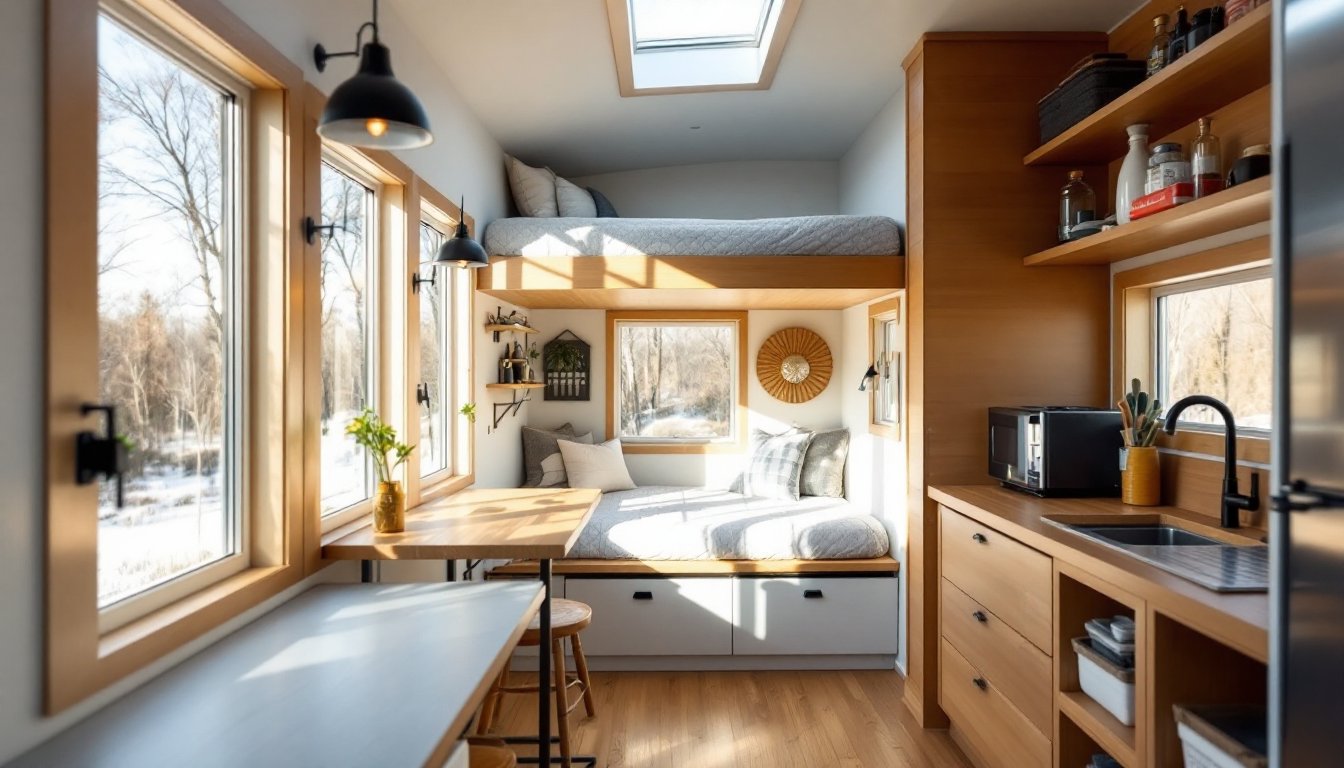
This rural housing options guide helps buyers discover the best country properties for their needs. Moving to a rural area offers space, privacy, and a slower pace of life. But, finding the right rural home requires careful planning. Buyers must consider property types, financing programs, location factors, and infrastructure availability. This guide covers each of these elements to help prospective homeowners make informed decisions about rural living.
Table of Contents
ToggleKey Takeaways
- Rural housing options range from traditional farmhouses and log cabins to manufactured homes and raw land with build potential.
- USDA Rural Development Loans offer zero down payment for qualified buyers, making rural homeownership more accessible.
- Always verify water quality, septic system conditions, and internet availability before purchasing a rural property.
- Research commute times, property taxes, and local zoning regulations to avoid unexpected challenges in rural living.
- Private wells, septic systems, and road maintenance are common responsibilities that add costs to rural homeownership.
- Investigate future development plans near your property to protect your investment and preserve the rural lifestyle you seek.
Types of Rural Properties to Consider
Rural housing options vary widely depending on lifestyle preferences and budget. Each property type offers distinct advantages for country living.
Single-Family Farmhouses
Traditional farmhouses remain popular choices in rural areas. These homes often sit on several acres and feature outbuildings like barns or storage sheds. Many farmhouses include historic character with modern updates. Buyers seeking a classic country experience often gravitate toward these properties.
Manufactured and Modular Homes
Manufactured homes provide affordable rural housing options for budget-conscious buyers. Modern manufactured homes meet strict building codes and offer comfortable living spaces. Modular homes arrive in sections and get assembled on-site. Both options cost less than traditional construction while delivering quality results.
Log Cabins and Cottages
Log cabins appeal to buyers who want rustic charm in their rural home. These structures blend naturally with wooded settings and mountain locations. Cottages offer similar appeal with smaller footprints. Both property types work well as primary residences or vacation retreats.
Land with Build Potential
Some buyers prefer purchasing raw land and constructing custom homes. This rural housing option provides complete control over the final result. Buyers should verify zoning regulations and building permits before purchasing land. Well and septic system requirements also affect construction costs.
Hobby Farms and Ranches
Hobby farms suit buyers who want livestock or agricultural activities. These properties include acreage for animals and crop cultivation. Ranch properties offer even more land for cattle or horse operations. Both options require understanding of agricultural property management.
Financing Options for Rural Homes
Several financing programs exist specifically for rural housing purchases. Understanding these options helps buyers secure favorable loan terms.
USDA Rural Development Loans
The USDA offers loan programs for eligible rural areas. USDA loans require no down payment for qualified buyers. Income limits apply based on household size and location. These rural housing loans feature competitive interest rates and reduced mortgage insurance costs.
FHA Loans for Rural Properties
FHA loans work for many rural housing purchases. These government-backed mortgages accept lower credit scores than conventional loans. Down payments start at 3.5% for qualified borrowers. FHA loans cover single-family homes, manufactured housing, and some multi-unit properties.
Conventional Mortgages
Conventional loans finance rural properties that meet standard appraisal requirements. Buyers typically need higher credit scores and larger down payments. But, conventional financing avoids certain government loan restrictions. Properties with unique features may qualify more easily under conventional terms.
Farm Credit Services
Farm Credit institutions specialize in rural and agricultural lending. These lenders understand rural property values and farming operations. They offer mortgages, operating loans, and equipment financing. Buyers purchasing working farms often benefit from Farm Credit expertise.
Owner Financing
Some rural property sellers offer direct financing to buyers. Owner financing can bypass traditional lending requirements. Terms vary significantly between sellers. Buyers should have real estate attorneys review owner-financed contracts carefully.
Key Factors When Choosing a Rural Location
Location dramatically affects rural living quality. Buyers should evaluate several factors before committing to a specific area.
Distance to Employment and Services
Most rural residents commute to work in nearby towns or cities. Calculate driving time and fuel costs for daily commutes. Consider distance to grocery stores, healthcare facilities, and schools. Remote rural locations may require 30-60 minute drives for basic services.
Community and Social Opportunities
Rural communities vary in character and activity levels. Some areas feature active community centers and local events. Others offer more isolation and privacy. Visit potential locations multiple times to assess community fit.
Climate and Natural Hazards
Weather patterns differ significantly across rural regions. Research average temperatures, precipitation, and seasonal challenges. Identify potential natural hazards like flooding, wildfires, or severe storms. These factors affect insurance costs and daily living comfort.
Property Taxes and Regulations
Rural property taxes vary by county and state. Agricultural designations often reduce tax burdens on qualifying land. Research local zoning laws and building restrictions. Some rural areas have minimal regulations while others enforce strict codes.
Future Development Plans
Investigate planned development near potential properties. New subdivisions or commercial projects may change rural character. Check county planning departments for approved projects. This research protects long-term investment value and lifestyle expectations.
Essential Utilities and Infrastructure
Rural properties often lack municipal utilities available in urban areas. Buyers must understand infrastructure requirements before purchasing.
Water Supply Options
Many rural homes depend on private wells for water. Well drilling costs range from $5,000 to $15,000 depending on depth and geology. Test well water quality before closing on any rural property. Some areas offer rural water districts that provide treated water through pipelines.
Septic Systems
Rural housing typically requires septic systems for waste management. Septic installation costs vary based on soil conditions and system type. Percolation tests determine suitable septic system designs. Existing septic systems need inspection and maintenance history review.
Electricity and Power
Most rural areas have electrical service through local cooperatives. But, extending power lines to remote properties costs extra. Some buyers install solar panels or generators for off-grid living. Research electric rates and reliability in potential locations.
Internet and Communication
Rural internet access has improved but remains inconsistent. Fiber optic service reaches some rural communities now. Satellite internet provides options where cable and DSL don’t reach. Test internet speeds before buying if remote work is planned.
Road Access and Maintenance
Private roads serve many rural properties. Buyers become responsible for maintaining these access roads. Snow removal, grading, and repairs add ongoing costs. Verify legal easements for roads crossing neighboring properties.