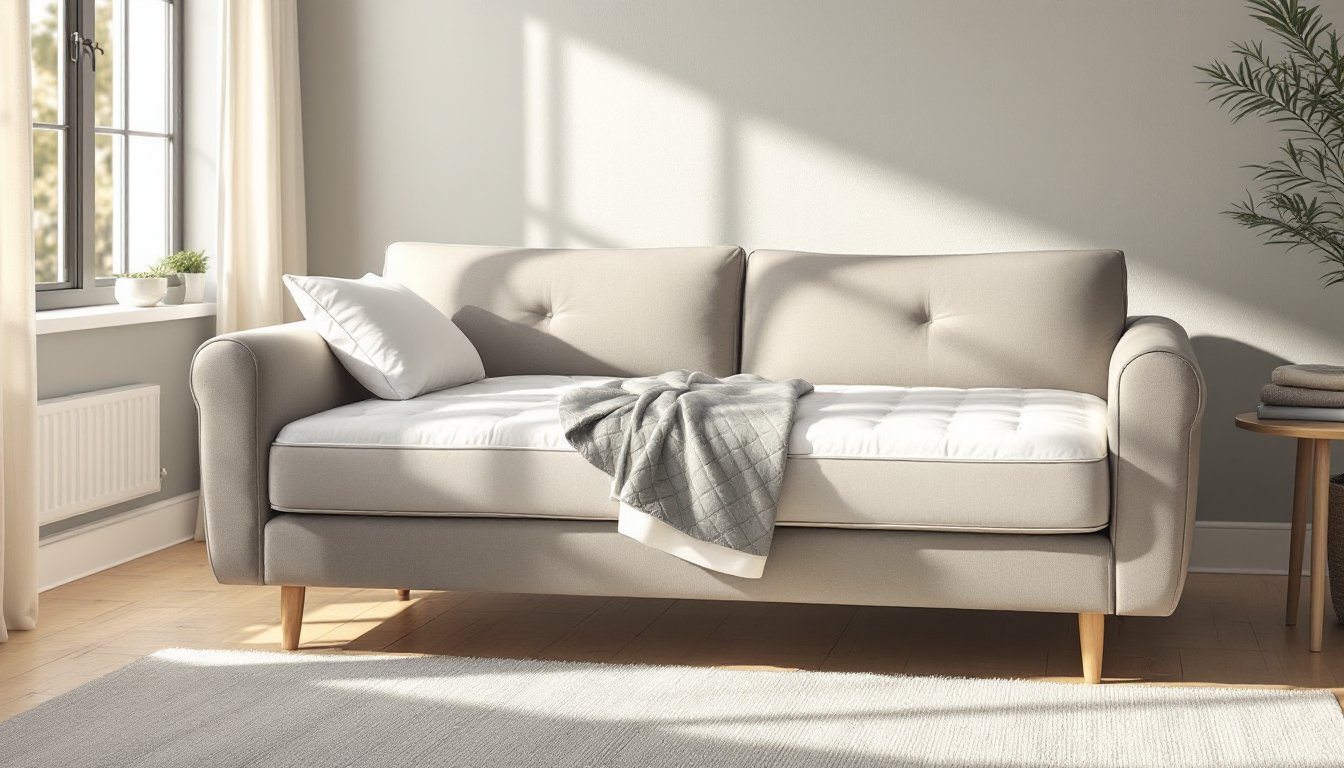
A memory foam sleeper sofa isn’t just a couch, it’s a guest bed, a reading nook, and a smart investment for homes where square footage is at a premium. Whether you’re furnishing an apartment, setting up a den, or tackling your first major furniture purchase, understanding what makes a memory foam sleeper sofa tick will save you money and frustration down the road. This guide walks you through the essential features, sizing considerations, and maintenance habits that keep these versatile pieces performing for years.
Table of Contents
ToggleKey Takeaways
- A memory foam sleeper sofa combines seating and sleeping functionality with a dedicated 4–6 inch memory foam mattress layer, providing better support and durability than standard couches for all-night sleep.
- When selecting a memory foam sleeper sofa, prioritize high-density foam (5–7 pounds per cubic foot), check for removable washable covers, and choose between pull-out or fold-down mechanisms based on frequency of use.
- Proper sizing and placement are critical: measure your room with the sofa fully extended (typically 72–84 inches long), ensure at least 12 inches of clearance for making the bed, and account for traffic flow and doorways.
- Regular maintenance—weekly vacuuming, immediate spot-cleaning, monthly cushion rotation, and checking opening mechanisms every few months—extends your memory foam sleeper sofa’s lifespan to 7–10 years.
- Memory foam sleeper sofas range from $600–$3,500 depending on mattress quality and frame construction; investing in brands with solid warranties and proven reviews provides better long-term value than budget unknowns.
What Makes Memory Foam Sleeper Sofas Different From Standard Couches
A standard couch is built for sitting. A memory foam sleeper sofa is built for both sitting and sleeping, and that changes everything about its structure.
Memory foam, originally developed for NASA, is a viscoelastic material that responds to body heat and weight. When you sit or lie down, it gradually conforms to your shape, then slowly returns to its original form when you get up. This means a memory foam sleeper sofa with memory foam mattress doesn’t just feel softer: it actively reduces pressure points, which matters when someone’s actually sleeping on it for eight hours.
Standard couches typically have a basic cushioning system, maybe innerspring coils wrapped in polyurethane foam and fabric. That setup works fine for an afternoon nap, but it can leave you waking up with a sore back if you’re sleeping on it regularly. A quality memory foam sleeper sofa incorporates a dedicated sleeping surface, usually a memory foam mattress layer (typically 4–6 inches thick) that sits atop a sturdy frame and base. The mattress unfolds or pulls out, converting the seating area into a functional bed.
The key difference: durability and longevity. A memory foam sleeper sofa designed for frequent use has reinforced seams, a more robust frame, and higher-density foam that resists sagging over time. You’re not just getting a novelty piece: you’re getting furniture that’s engineered to handle dual-duty wear.
Key Features and Benefits to Consider Before You Buy
Comfort and Support For All-Night Sleep
When evaluating a memory foam sleeper sofa, focus on mattress density and firmness. A high-density memory foam (typically 5–7 pounds per cubic foot) resists bottoming out, that uncomfortable feeling when the foam compresses all the way down to the base. Low-density foam feels good at first but deteriorates faster and offers less support for heavier users.
Firmness preference is personal, but there’s a sleep-science angle here: a mattress that’s too soft doesn’t support your spine’s natural curves, and one that’s too firm can create pressure points. Most memory foam sleeper sofas fall into the “medium” to “medium-firm” range, which suits a broad range of sleepers. If someone in your household has back issues, look for options with a supportive base layer, usually a high-density foam or pocketed coil system underneath the memory foam.
Also check the mattress cover. A removable, washable cover is a practical feature that extends the life of your furniture. Some covers are machine-washable: others require spot cleaning. This matters if you’re buying for a guest room or a kid’s room where spills are part of the deal.
Space-Saving Design for Smaller Homes and Guest Rooms
The entire appeal of a memory foam sleeper sofa is that it does two jobs in one footprint. In a 400-square-foot studio or a guest room that doubles as an office, a sleeper sofa can be the difference between having a functional guest setup and apologizing to visitors.
There are two main opening mechanisms: pull-out (the mattress slides out on a metal frame) and fold-down (the back cushions fold down to meet the seat cushions). Pull-outs are more durable for frequent use and offer better mattress support. Fold-down models are lighter and easier to operate but work better for occasional guests. Consider how often you’ll actually convert it to a bed. If it’s more than once a month, invest in a pull-out with a robust mechanism.
Size matters here too. When a memory foam sleeper sofa is fully opened, it typically measures 72–84 inches long and 40–48 inches wide, roughly the size of a full or queen bed. Before you buy, measure your room with the sofa bed fully extended. You’ll want at least 12 inches of clearance on the open end so you can actually make the bed and climb in without doing gymnastics.
How to Select the Right Size and Style for Your Home
Start with floor measurements and traffic flow. Measure your room lengthwise and widthwise, then account for doors, windows, and foot traffic patterns. A memory foam sleeper sofa is a heavy piece, typically 150–250 pounds depending on size, so you’ll want to place it somewhere it won’t need to move constantly.
Sleeper sofas come in a few standard widths: 72, 78, and 84 inches. Narrower models (72 inches) fit tight spaces and are easier to maneuver through doorways, but they sleep more snugly. A 78-inch or 84-inch sleeper sofa gives you queen-bed dimensions and feels less cramped when fully extended.
Color and fabric affect both aesthetics and practicality. Lighter fabrics show stains and wear: darker fabrics hide them but can feel less fresh. If you’re buying for a high-traffic area or a guest room used by kids, consider a performance fabric, a synthetic material (often polyester microsuede or solution-dyed polypropylene) that resists staining and cleans up easily. Modern design inspiration and contemporary furniture often showcase sleeper sofas in neutral tones that pair well with existing décor and hold their appeal over time.
Style is personal, but practical choices matter. A straight-back or low-profile silhouette works in minimalist or industrial spaces. A tufted or rolled-arm design suits traditional or transitional rooms. Look at your existing furniture and wall colors. A memory foam sleeper sofa is a major furniture piece: it should feel intentional, not like an afterthought you wedged into a corner.
Budget varies widely. Entry-level memory foam sleeper sofas start around $600–$800: mid-range options run $1,200–$2,000: high-end, designer pieces can exceed $3,500. Generally, you’re paying for mattress quality, frame construction, and brand reputation. A sofa from a manufacturer with a solid warranty and good reviews is worth a couple hundred dollars more than an unknown brand with sketchy online feedback.
Maintenance Tips to Keep Your Memory Foam Sleeper Sofa in Top Condition
The first rule: let your memory foam sleeper sofa breathe. If you’ve just unboxed it, don’t immediately convert it to a bed. Memory foam is compressed during shipping and can off-gas, that new-furniture smell that irritates some people. Let it air out in a well-ventilated space for 24–48 hours. Open windows, use a fan, and don’t worry: the smell fades.
Vacuum the entire sofa weekly if it’s in regular use, or biweekly if it’s occasional. Use an upholstery brush attachment to avoid pulling at seams. Spot-clean stains immediately with a mild fabric cleaner, test it on a hidden area first. Blot, don’t rub: rubbing pushes stains deeper into the fibers. For set-in stains, a professional upholstery cleaner is worth the $150–$300 investment if your sofa cost $1,500+.
Rotate cushions monthly if the sofa has removable cushions. This distributes wear and prevents one spot from getting permanently compressed. Some memory foam sleeper sofas have non-removable cushions: in that case, rotate the furniture itself (swap its position in the room) every few months if possible.
The mattress needs attention too. When you’re using the sleeper function, make the bed as you would a regular mattress, fitted sheet, top sheet, pillows. A mattress protector or waterproof pad underneath the fitted sheet guards against spills and extends the foam’s life. Wash bedding weekly. If the mattress starts to develop an odor, sprinkle baking soda over it, let it sit for 2–4 hours, then vacuum thoroughly. Sunlight and air circulation are natural deodorizers, so opening blinds during the day helps.
Check the opening mechanism (whether pull-out or fold-down) every few months. Make sure there’s no rust on metal slides, and wipe tracks clean of dust. If the mechanism starts sticking or squeaking, a light application of furniture silicone spray fixes most issues. Heavy use and humidity can cause mechanisms to wear faster, so don’t be surprised if a frequently used pull-out needs lubrication every 6–12 months.
Finally, smart home product reviews and home technology buying guides can help if you’re considering adding storage cubbies, under-sofa organizers, or even a heated mattress pad to your setup. These accessories protect your investment and add functionality without replacing the core furniture.
Conclusion
A memory foam sleeper sofa is a practical choice for anyone managing space constraints or juggling multiple needs from one room. Unlike standard couches, they’re engineered for actual sleep, not just napping, which matters if you’re hosting guests or using the sofa as your own backup bed. Invest time upfront in measuring your space, assessing mattress quality, and picking a durable mechanism. Then keep up with basic maintenance: vacuuming, spot-cleaning, and occasional professional care. Do that, and a good memory foam sleeper sofa will serve you well for seven to ten years.