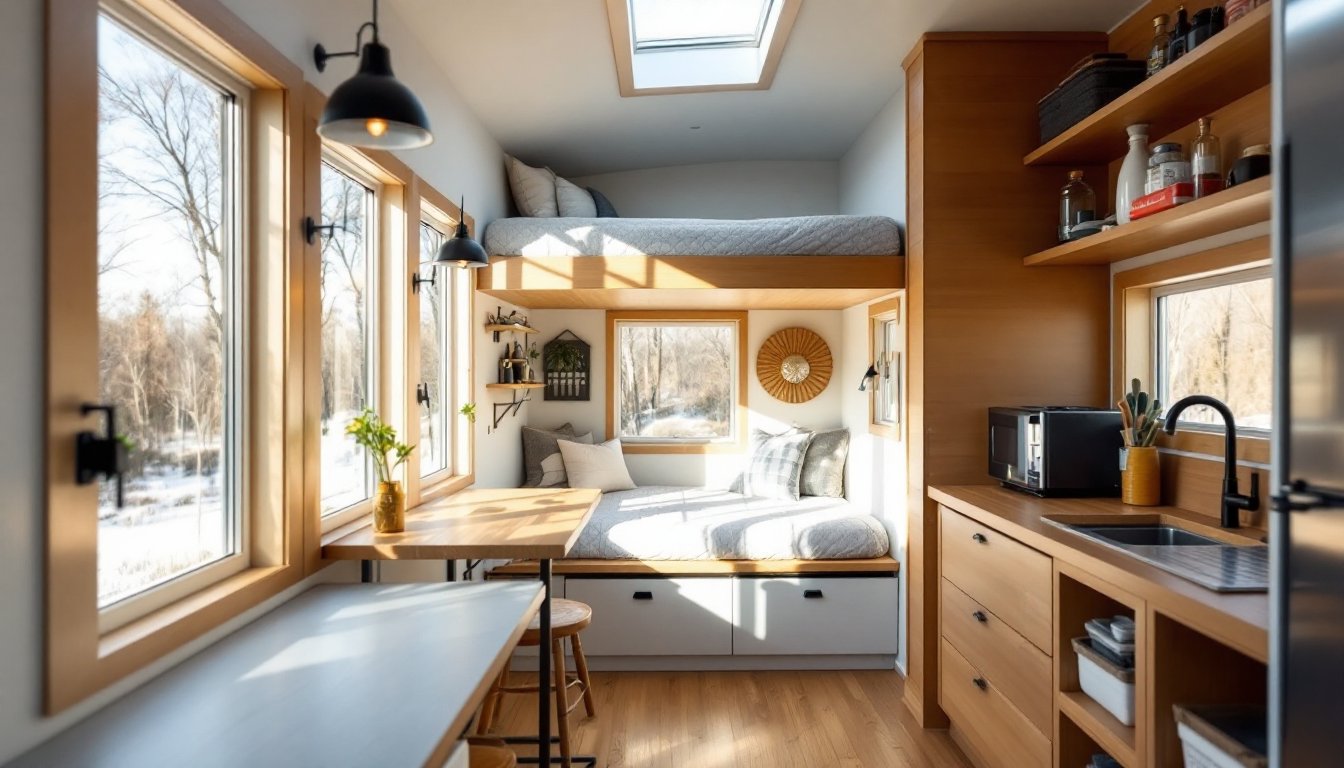
Rural housing options offer a unique path to homeownership for buyers seeking space, affordability, and a quieter lifestyle. Whether someone dreams of a farmhouse on acreage or a modest home in a small town, understanding the rural real estate market is essential. This guide covers everything from financing programs to property types, helping buyers make informed decisions about rural living. The right approach can turn a countryside dream into reality without unnecessary stress or confusion.
Table of Contents
ToggleKey Takeaways
- Rural housing options include single-family homes, manufactured homes, farmhouses, and vacant land—each with unique benefits and considerations.
- USDA Rural Development Loans offer zero down payment financing for eligible buyers in designated rural areas.
- Always inspect private wells and septic systems before purchasing, as replacement costs can exceed $20,000.
- Verify internet connectivity, healthcare access, and road maintenance responsibilities before committing to a rural property.
- Work with a local real estate agent who specializes in rural properties to navigate water rights, easements, and off-market listings.
- Visit potential properties at different times and seasons to uncover drainage issues, noise levels, and access problems.
Understanding the Rural Housing Market
The rural housing market operates differently than urban or suburban real estate. Fewer buyers compete for properties, which often means lower prices and more negotiating power. But, rural areas may have limited inventory, requiring patience during the search process.
Rural housing options vary widely based on location. Some regions feature agricultural properties with barns and outbuildings. Others offer simple single-family homes in communities with populations under 10,000. The USDA defines rural areas as locations with populations below 35,000, though specific program eligibility depends on additional criteria.
Property values in rural markets tend to appreciate more slowly than urban counterparts. This makes rural housing an attractive choice for buyers prioritizing stability over rapid equity growth. Buyers should research local economic conditions, employment opportunities, and community services before committing to a specific area.
Internet connectivity, healthcare access, and school quality vary significantly across rural regions. These factors directly impact daily life and long-term property values. Smart buyers investigate infrastructure and amenities early in their search for rural housing options.
Types of Rural Housing Available
Buyers exploring rural housing options will encounter several property types. Each comes with distinct advantages and considerations.
Single-Family Homes
Traditional single-family homes represent the most common rural housing option. These properties typically sit on larger lots than suburban equivalents, often ranging from one to five acres. Many feature detached garages, workshops, or storage buildings.
Manufactured and Modular Homes
Manufactured homes offer an affordable entry point into rural living. Modern manufactured housing meets strict HUD standards and can provide comfortable, energy-efficient living spaces. Modular homes, built in sections off-site, offer similar benefits with traditional construction quality.
Farmhouses and Agricultural Properties
Buyers interested in farming or hobby agriculture often seek properties with existing infrastructure. Farmhouses may include barns, silos, irrigation systems, and fenced pastures. These rural housing options require buyers to assess the condition of all structures, not just the residence.
Vacant Land
Some buyers prefer purchasing raw land and building custom homes. This approach offers maximum flexibility but requires understanding local zoning laws, well and septic requirements, and construction costs. Financing vacant land differs from purchasing existing homes.
Financing Options for Rural Properties
Several financing programs specifically support rural housing options. Understanding these can save buyers thousands of dollars.
USDA Rural Development Loans
The USDA offers two primary loan programs for rural buyers. The Section 502 Direct Loan Program serves low-income applicants with subsidized interest rates. The Section 502 Guaranteed Loan Program works through approved lenders and requires no down payment for eligible buyers.
To qualify, the property must be located in a USDA-designated rural area. Buyers must meet income limits, which vary by county and household size. These loans can finance homes, manufactured housing on permanent foundations, and certain repairs or improvements.
Conventional and FHA Loans
Conventional mortgages work for rural properties that meet standard appraisal requirements. FHA loans accept manufactured homes and properties in rural areas, though the home must meet minimum property standards.
Farm Service Agency Loans
Buyers purchasing agricultural properties may qualify for FSA loans. These programs help farmers and ranchers acquire land, livestock, and equipment. The FSA also offers loans for building or improving farm homes.
State and Local Programs
Many states offer down payment assistance, tax credits, or special financing for rural housing options. Buyers should contact their state housing finance agency to explore available programs.
Key Factors to Consider Before Buying
Purchasing rural housing options requires evaluating factors that urban buyers rarely consider.
Water and Septic Systems: Most rural properties rely on private wells and septic systems. Buyers should always request well water testing and septic inspections before closing. Replacement costs for these systems can exceed $20,000.
Road Access and Maintenance: Some rural properties sit on private or unpaved roads. Buyers must determine who maintains the road and what easements exist. Winter maintenance responsibilities can add significant annual costs.
Utilities and Internet: Rural areas may lack natural gas, requiring propane or electric heating. High-speed internet availability varies dramatically. Buyers should verify service availability and costs before making offers on rural housing options.
Zoning and Land Use: County zoning regulations dictate what activities are permitted on rural land. Buyers planning to raise livestock, operate businesses, or build additional structures must verify local regulations allow these uses.
Distance to Services: Rural living means longer drives to grocery stores, hospitals, and schools. Buyers should calculate commute times and consider how distance affects daily routines and emergency response times.
Property Boundaries: Rural properties sometimes have unclear boundaries. A professional survey can prevent disputes with neighbors and confirm the acreage matches listing information.
Steps to Finding Your Ideal Rural Home
A systematic approach helps buyers find the best rural housing options for their needs.
Step 1: Define Priorities
Buyers should list must-haves versus nice-to-haves. Minimum acreage, maximum distance from town, and essential amenities belong on this list. Clear priorities prevent wasting time on unsuitable properties.
Step 2: Research Target Areas
Online research reveals much about rural communities. Local newspapers, Facebook groups, and county websites provide insight into community character, local issues, and upcoming developments.
Step 3: Find a Local Agent
Real estate agents specializing in rural properties understand unique considerations like water rights, agricultural assessments, and conservation easements. They also know about listings that never hit major real estate websites.
Step 4: Visit Multiple Times
Buyers should visit potential properties at different times and days. This reveals traffic patterns, neighbor activity, and noise levels. Visiting during different seasons exposes drainage issues or access problems.
Step 5: Order Inspections
Rural housing options require more inspections than typical suburban homes. Beyond standard home inspections, buyers should consider well tests, septic inspections, radon testing, and pest inspections. For properties with outbuildings, inspecting each structure prevents expensive surprises.
Step 6: Review Closing Documents Carefully
Rural property closings may include mineral rights, water rights, or easement documents that require careful review. Buyers should understand exactly what rights transfer with the property.