Tired of hauling laundry to a basement or laundromat? In-unit washer and dryer setups are becoming standard expectations for apartment dwellers, not luxuries. Whether you’re searching for your next place or wondering if it’s worth upgrading, understanding what in-unit laundry offers, and how it impacts your lifestyle and wallet, is essential. This guide breaks down everything you need to know about apartments with washer and dryer hookups, from why they matter to how to find one and keep it running smoothly.
Table of Contents
ToggleKey Takeaways
- In-unit washer and dryer setups have become a baseline expectation in competitive rental markets, offering time savings of roughly 200 hours annually by eliminating commute and scheduling conflicts.
- Monthly rent premiums of $50–$150 for apartments with washer and dryer hookups typically pay for themselves within 2 years when compared to laundromat costs of $150–$300 monthly, plus savings on clothing wear.
- When apartment hunting, filter specifically for ‘washer/dryer in unit’ or ‘laundry hookups,’ measure door openings to ensure standard machines fit (27 inches for front-loaders), and verify whether machines are included or if you provide your own.
- Proper maintenance of in-unit laundry is critical: prop front-load washer doors open after use to prevent mold, empty lint traps after every dryer load, and clean dryer vents twice yearly to reduce fire risk and improve efficiency.
- If in-unit laundry isn’t available, negotiate with landlords to split installation costs or explore alternatives like drop-off wash-and-fold services, building laundry rooms during off-peak hours, or compact portable washers for small loads.
Why In-Unit Laundry Matters for Modern Apartment Living
In-unit washer and dryer access has shifted from a premium amenity to a baseline expectation in competitive rental markets. Life happens fast, and spending hours managing laundry logistics, scheduling shared machine time, traveling between locations, or folding clothes in a cramped laundry room, eats into time you could spend on work, family, or hobbies.
Beyond convenience, in-unit laundry offers privacy and control. You set the water temperature, detergent, and drying time without worrying about someone else’s lint or stealing your clothes. For apartment dwellers with mobility challenges, small children, or health-sensitive needs, having laundry steps away is genuinely life-changing.
The availability of in-unit laundry also signals broader building quality. Properties that invest in hookups typically maintain higher standards across common areas, plumbing, and electrical systems. It’s often a reliable indicator that management takes tenant satisfaction seriously.
Key Advantages of Apartments with Washer and Dryer Hookups
Saving Time and Effort
Let’s do the math. If you spend 4 hours per week commuting to and from laundry facilities, that’s roughly 200 hours annually, nearly 8 full days. In-unit access eliminates travel time and scheduling conflicts. You throw a load in before work, switch it to the dryer at lunch, and fold while watching TV. Multi-unit dwellers especially benefit: coordinating laundry schedules for a family in a building with two shared machines becomes a nightmare that simply disappears.
You also avoid the interruptions. No one pulls your wet clothes from a shared machine. No one discovers their detergent is gone. No hunting for quarters or learning how to use an unfamiliar machine.
Financial Considerations and Long-Term Savings
Rent premiums for in-unit laundry typically range from $50 to $150 per month, depending on location and building standards. That sounds steep until you factor the alternatives. Weekly laundromat visits at $3 to $5 per load, plus quarters, detergent, and hourly electricity costs for apartment-building machines, add up quickly, often $150 to $300 monthly for a family.
Beyond dollars spent, you’re saving on clothing wear. Shared machines, especially in older buildings, can be rough. Damaged seals, broken zippers, and aggressive spin cycles take a toll. Your clothes last longer when washed at home with your chosen cycles and gentler settings.
If you stay in an apartment for 2+ years, the monthly premium pays for itself in avoided laundry costs alone, not counting the time value and reduced wear on clothing.
Finding the Right Apartment with In-Unit Laundry
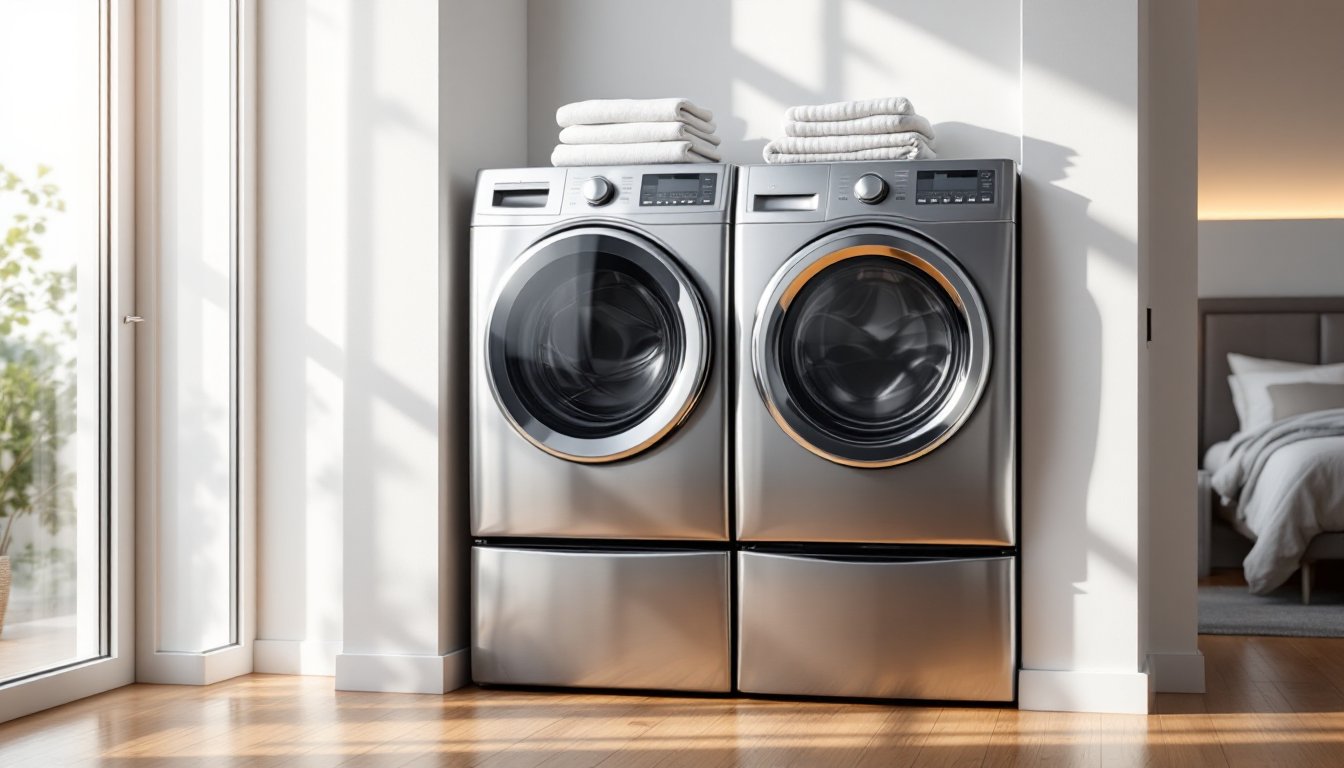
When apartment hunting, clearly state your laundry requirement upfront. Most listing platforms allow you to filter by amenities: use “washer/dryer in unit” or “laundry hookups” as non-negotiable filters. Don’t confuse washer/dryer hookups (plumbing and electrical connections you’d supply machines for) with a fully equipped unit (machines included). Hookups are more common in older buildings: newer construction often bundles machines as part of the lease.
Ask the leasing agent directly: Are machines included or do you provide your own? If included, what brand and capacity? Can you upgrade to a larger washer if your lease allows? Are there restrictions on washer/dryer placement, must they stay in the unit or are they in a shared laundry closet?
Inspect the space in person. Measure the opening to ensure standard machines (typically 27 inches wide for front-loaders, 29–32 inches for top-loaders) fit. Check water and drain line proximity. Poor drainage placement or weak water pressure signals maintenance headaches.
Resources like apartment search guides with washer dryer details can help you navigate the search process strategically. Similarly, detailed advice on finding apartments with in-unit laundry provides step-by-step frameworks for evaluating options.
Maintaining Your In-Unit Washer and Dryer
Once you’ve secured in-unit laundry, proper maintenance keeps it running smoothly and prevents costly repairs. Front-load washers are prone to mold growth in the rubber gasket if left sealed between uses. After each load, prop the door open for 1–2 hours to air dry the drum and gasket. Wipe down the gasket monthly with a vinegar-soaked cloth.
Clean the detergent dispenser every 2–3 months by removing it, rinsing with hot water, and brushing out soap residue. Run a hot-water cleaning cycle (most machines have this setting) monthly with no clothes to flush buildup from the internal lines.
For dryers, empty the lint trap completely after every load, lint is a fire hazard and reduces efficiency. Clean the vent hose and exterior vent at least twice yearly. Most apartment leases require tenants to maintain dryer vents: buildup reduces drying speed and increases fire risk. Check that water connection hoses (on combo units or dryer steam functions) don’t kink or crack.
Read your machine’s manual. Front-loaders use significantly less water and detergent than top-loaders: using regular detergent creates excess suds. Energy Star machines save money, but they run longer cycles, plan accordingly.
For included machines, maintenance is technically the building’s responsibility, but staying proactive prevents service delays. Report issues like strange noises, leaks, or error codes immediately in writing. If you install your own machines, budget for replacement parts or repairs: warranty terms vary.
Alternatives If Your Apartment Lacks In-Unit Laundry
Not every apartment has in-unit laundry, and sometimes the cost premium isn’t worth it, especially for shorter leases. Building laundry rooms are the standard fallback. Arrive early to snag a machine during off-peak hours (early morning or late evening). Bring a book or your laptop: waiting beats multiple trips.
Laundromat services have evolved. Drop-off wash-and-fold service costs $1.50 to $2.50 per pound but saves 4–5 hours weekly. Premium laundromats offer WiFi, clean environments, and attendants, think of it as outsourcing rather than a budget burden.
For small loads between major washdays, portable or compact washers (like Haier’s 1.6-cubic-foot models or Dreo portable units) fit dorm-sized spaces and hookup-free setups. They take 30–45 minutes per cycle and hold roughly 4–5 pounds of clothes. They won’t replace a full-size machine but handle basics.
Negotiation is underrated. If an apartment has hookups but no machines installed, ask the landlord to split the cost of installation or deduct machine provision from rent. Many management companies prefer installed machines as a competitive advantage. Guides to negotiating for apartments with washer and dryer highlight successful negotiation strategies worth exploring.
The key is identifying your actual laundry volume and constraints. A single professional with light laundry might prioritize location and price over in-unit access. A parent or someone with health issues might rightfully demand it as non-negotiable.
Making Your Choice
In-unit washer and dryer access isn’t frivolous, it’s a quality-of-life upgrade that pays dividends in time, money, and clothing longevity. As you search for your next apartment, weigh the monthly premium against your lifestyle. For most households staying longer than a year, the investment feels worth every penny. If in-unit access isn’t available, explore alternatives and don’t settle for inconvenience without negotiating harder first.