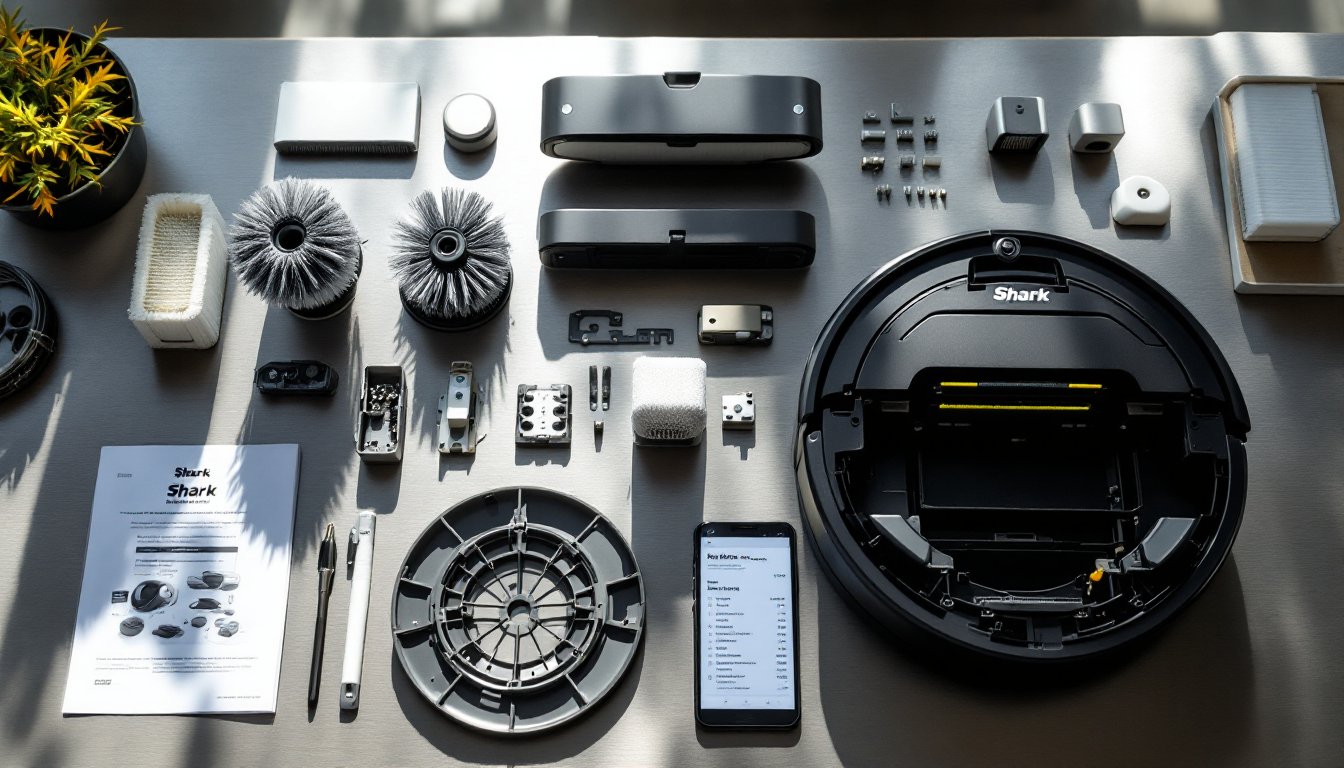
Your Shark robot vacuum is designed to work hard, but like any machine, it needs regular upkeep to stay running smoothly. Understanding shark robot vacuum parts, and knowing when to replace them, keeps your device performing at peak efficiency without unnecessary downtime. Whether you’re dealing with worn brushes, clogged filters, or damaged components, this guide walks you through everything you need to know about identifying, finding, and replacing shark vacuum robot parts. We’ll cover the essential components you should have on hand, explain why maintenance matters, and show you how to tackle replacements yourself like a confident DIYer.
Table of Contents
ToggleKey Takeaways
- Shark robot vacuum parts like brush rolls, side brushes, and HEPA filters are the main components that wear over time and need regular replacement to maintain peak efficiency.
- Most brush rolls should be replaced annually, side brushes every 6–12 months, and filters every 30–60 days if used daily; pet owners may need to replace parts 25–50% more frequently due to increased hair accumulation.
- Replacing shark robot vacuum parts is a straightforward DIY task requiring no special tools—flip the unit over, locate latches or clips, and swap old parts with new ones in just a few minutes.
- Verify authenticity by purchasing from Shark’s official website or authorized retailers, checking for branded packaging, matching product codes, and reviewing customer feedback to avoid counterfeit parts that fail quickly and can damage your vacuum.
- Performance drops like reduced suction, longer cleaning cycles, and visible damage to brushes or filters are clear signals that your shark vacuum robot parts need replacement before problems spread to other components.
Essential Shark Robot Vacuum Parts to Know
Before you can maintain your Shark robot vacuum properly, you need to recognize the main components that wear down over time. Think of your vacuum like any tool in your shop, certain parts take the brunt of the work and need regular attention.
Brushes and Brush Rolls
The main brush roll (often called the primary brush or roller brush) is the workhorse of your vacuum. It agitates debris from carpets and hard floors, but it’s constantly exposed to hair, dust, and friction. Over time, hair wraps around the bristles, reducing suction and cleaning power. Most manufacturers recommend checking your brush roll every two to four weeks and replacing it annually if you have pets.
Side brushes (or edge-sweeping brushes) push debris toward the main roller. These smaller rotating bristles fray and lose effectiveness much like a toothbrush does, usually within 6 to 12 months of regular use. If you notice your vacuum leaving debris in corners, your side brush is likely overdue for replacement.
Filters and Air Quality Components
The HEPA filter (High-Efficiency Particulate Air) traps fine particles, pollen, and allergens. When it clogs, your vacuum’s suction drops and the motor works harder, shortening the unit’s lifespan. Most shark robot vacuum parts lists show filters should be replaced every 30 to 60 days if you vacuum daily, or checked monthly.
The pre-filter sits upstream of the HEPA filter and catches larger particles. It’s washable in many models, but it still eventually loses effectiveness. The filter frame and seals matter too, if the seal is damaged, air bypasses the filter entirely, defeating its purpose. Check these components on your shark robot vacuum parts list when ordering replacements.
When and Why You Need Replacement Parts
Knowing when to replace shark robot vacuum replacement parts prevents bigger problems down the road. Ignoring worn components forces other parts to compensate, and that’s when your vacuum starts failing. It’s like ignoring a missing wheel bearing on your truck, the problem spreads fast.
Visible damage is your clearest signal: a cracked brush roll, a filter with visible tears, or a side brush bristle that’s matted flat. But performance drops are equally important. If your vacuum used to clean your living room in 20 minutes and now takes 45, something’s clogged or wearing out. Reduced suction, longer cleaning cycles, and noise changes all point to worn parts needing attention.
Pets accelerate wear dramatically. A household with two dogs will replace brushes twice as often as a pet-free home because hair accumulation is relentless. High-pile carpets also demand more frequent replacement since they create more friction and stress on rollers.
Running your vacuum on a maintenance schedule prevents emergency replacements. Check your owner’s manual for manufacturer recommendations, these are based on testing with average use. If your home has higher demands (pets, long-haired carpeting, high foot traffic), move your replacement intervals up by 25 to 50 percent.
How to Replace Common Shark Vacuum Parts
Replacing shark robot vacuum parts is genuinely straightforward if you take your time and follow the steps. You don’t need special tools, advanced skills, or a professional. A few minutes of careful work extends your vacuum’s life by years.
Start by powering off your vacuum completely and allowing it to sit for a few minutes if you’ve just used it, some components are warm. Consult your specific model’s manual because component locations vary slightly across the Shark lineup. That manual is your friend: bookmark it.
For the main brush roll: flip your vacuum upside down or place it on a flat surface where you can see the undercarriage clearly. Look for clips, screws, or a latch holding the brush assembly in place. Most Shark models use simple latches, no tools required. Lift or slide the assembly out, note which direction the bristles face, and slide the new brush in, making sure it clicks or seats firmly. This job takes three minutes.
For side brushes: locate the small brush assembly on the unit’s edge. Usually, it’s held by a single screw or clip. Remove the old brush and install the new one, ensuring it’s aligned straight. A crooked side brush won’t sweep properly and can hit the unit’s body.
For filters: remove your vacuum’s dustbin and locate the filter chamber (usually on top or inside the bin area). If your model uses a HEPA filter, pinch the sides gently and pull straight out. Tap the old filter over a trash can to dislodge loose dust, then dispose of it. Insert the new filter, making sure it seats completely around all edges. A filter that isn’t fully seated creates a gap and defeats your replacement effort.
DIY Replacement Tips for Homeowners
Organize before you start. Lay out your new part, the old part, your vacuum, and your manual in a clean workspace. Taking a photo of your vacuum before disassembly helps you remember component orientation, it’s a quick confidence boost.
Accurate part numbers are non-negotiable. A model number isn’t enough: you need the specific replacement part number. Write it down or screenshot it from your manual. Installing a part designed for a different Shark model won’t fit, or worse, it’ll fit poorly and cause damage.
Don’t force anything. If a part isn’t sliding out smoothly, you’ve missed a clip or screw. Stop, re-examine the manual, and find it. Forcing parts risks cracking plastic housings or bending internal components. If you’re stuck, a two-minute video search for your exact model often clarifies the process better than text instructions.
After installation, test your vacuum on a small area before resuming full use. Listen for unusual sounds, watch for performance changes, and ensure the brush spins freely. This five-minute check catches installation errors while you’re still standing there.
Finding Authentic Parts and Avoiding Counterfeits
Counterfeit shark robot vacuum parts exist, and they’re cheaper for a reason, they fail faster and can damage your vacuum. Protecting yourself means knowing where to buy and how to verify authenticity.
Your safest bet is buying directly from the manufacturer’s official site or authorized retailers. Check Shark’s official website for a list of approved vendors. These sellers stand behind their products with warranties. Amazon, Best Buy, and similar major retailers typically stock genuine parts, but verify the seller’s credentials before purchasing. If you see three sellers listing the same part at wildly different prices, the cheapest isn’t a deal, it’s usually counterfeit.
Authentic Shark parts come in branded packaging with clear labeling, product codes matching your manual, and often include a warranty card. Counterfeit parts arrive in plain packaging, have mismatched colors, or feature printing errors. Real parts fit snugly: fakes are often slightly too large or small because they’re made from different molds.
Check customer reviews on retailer sites, genuine users report durability and fit. If dozens of one-star reviews mention “didn’t fit my model” or “fell apart in a month,” that’s a red flag. Recent product reviews for home appliances and testing sites can guide you toward verified sellers and quality parts.
Buy from sources offering return policies. A seller confident in their product allows returns if something’s wrong. No-return sellers often move counterfeit stock fast before complaints pile up.
When ordering online, confirm your exact model number matches the part’s compatibility list. “Fits Shark RV1000” isn’t specific enough, you need the full model designation (like RV1001, RV1001S, etc.). One character difference means incompatibility. Keep your receipt and packaging until you’ve tested the part.