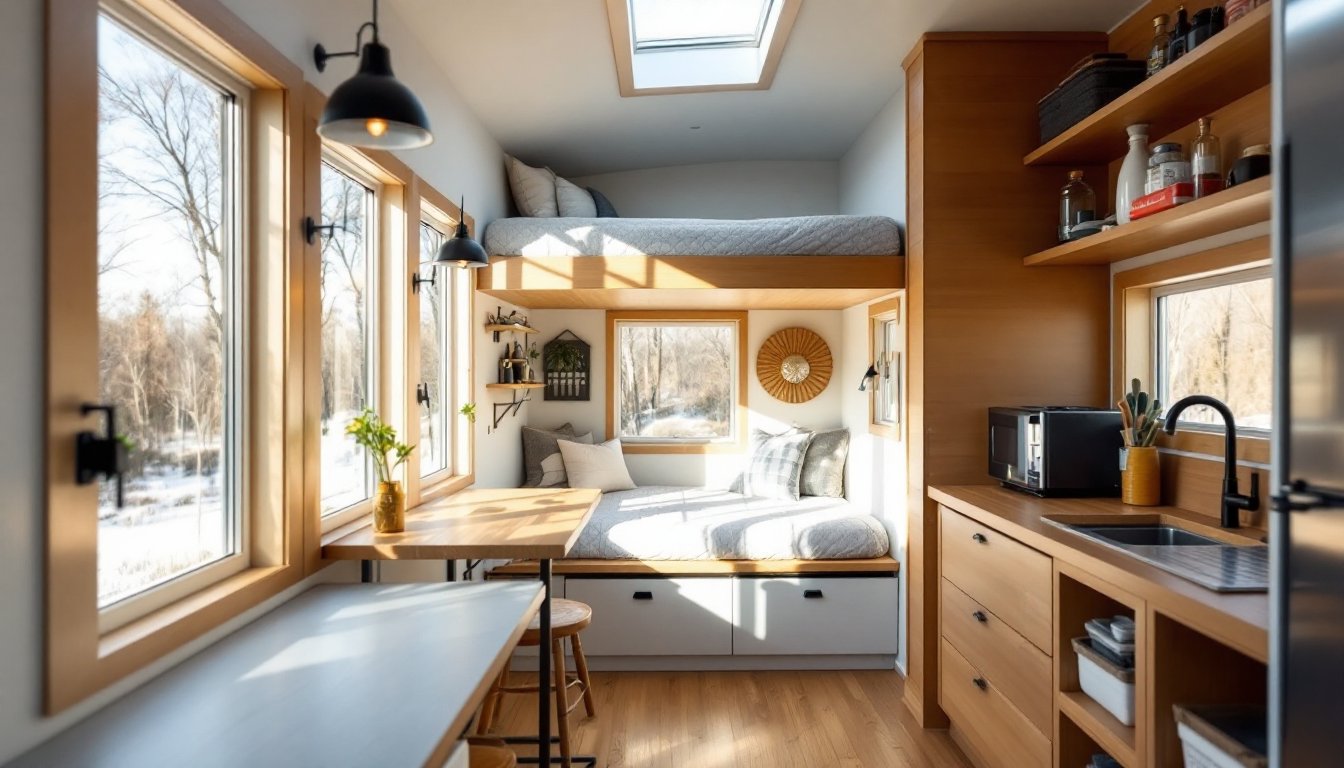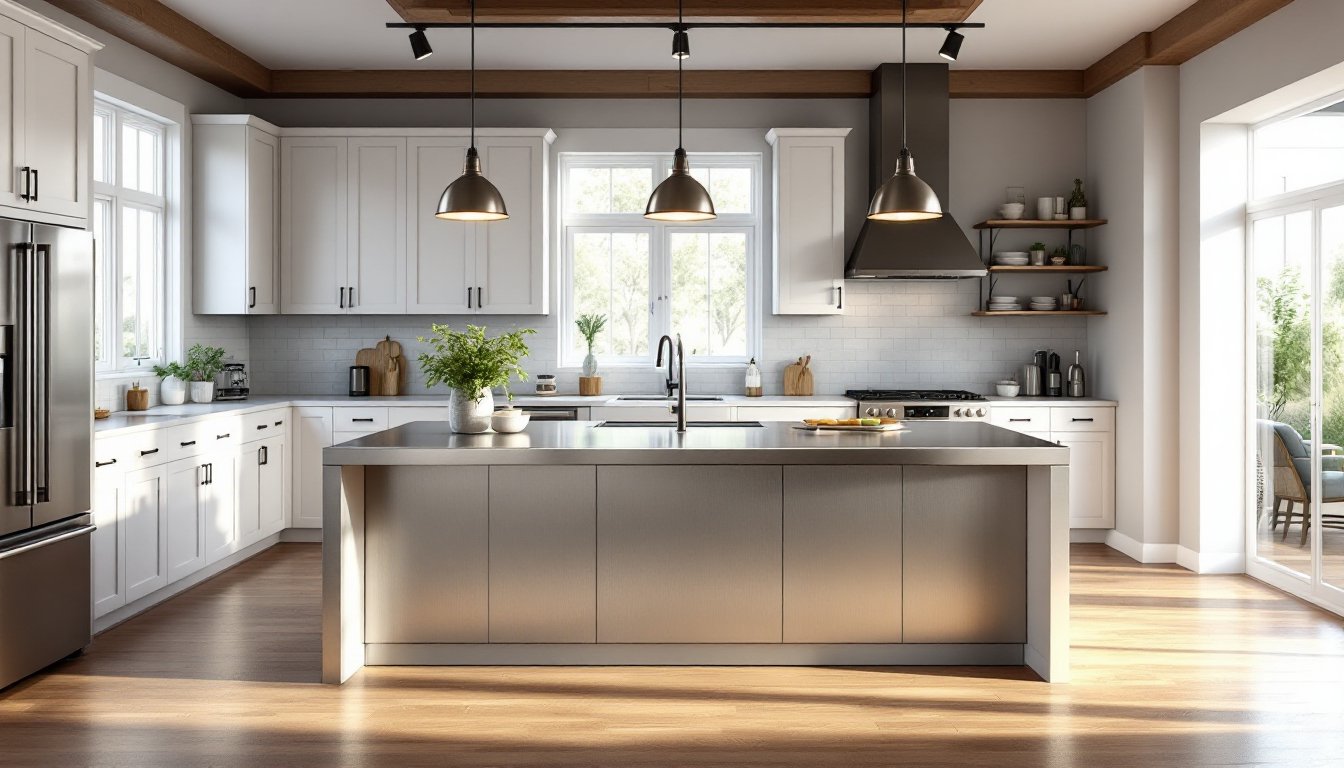
A stainless steel kitchen island has become the centerpiece of modern home cooking spaces, blending durability with sleek aesthetics. Whether you’re drawn to a kitchen island cart with a stainless steel top for flexibility or a built-in white kitchen island with stainless steel top for permanence, this material delivers professional-grade functionality in a residential setting. Homeowners and DIY enthusiasts increasingly choose stainless steel because it withstands daily wear, resists staining, and complements virtually any design direction. This guide walks you through why stainless steel islands matter, how to pick a style that fits your kitchen, installation realities, maintenance routines, and ways to keep costs manageable without compromising quality.
Table of Contents
ToggleKey Takeaways
- Stainless steel kitchen islands offer unmatched durability, resisting dents, stains, and bacteria while reflecting light to make kitchens feel larger and brighter.
- A stainless steel kitchen island works with virtually any design style, from minimalist white base cabinetry to industrial-contemporary blends with warm wood accents.
- Proper installation requires 36 inches of clearance around the island for safety and traffic flow, while built-in islands need licensed plumbing and electrical work plus local permits.
- Brushed or matte stainless finishes hide fingerprints better than polished options—wipe with microfiber and mild soap daily, then dry immediately to prevent spotting.
- Kitchen island carts with stainless steel tops ($500–$1,500) offer budget-friendly alternatives to built-in solutions ($2,000–$5,000+) with added mobility and zero installation labor.
- Hybrid approaches combining affordable base cabinets with premium stainless tops or partial stainless features let you maximize durability where it matters most without exceeding budget.
Why Choose Stainless Steel For Your Kitchen Island
Stainless steel surfaces stand up to the abuse a busy kitchen demands. Unlike wood or composite tops, they won’t dent from dropped pots, stain from wine or vinegar, or harbor bacteria in grain patterns. The material is non-porous, meaning spills wipe clean without penetrating the surface, a trait that matters more than marketing copy suggests when you’re elbow-deep in meal prep.
Durability is only part of the story. Stainless steel reflects light, making smaller kitchens feel larger and brighter. It pairs equally well with warm wood tones, matte-black cabinetry, or all-white schemes, giving you real design flexibility. A kitchen island cart stainless steel top offers the added advantage of mobility: you can reposition it for entertaining or move it aside to open up floor space.
The material also holds its value. When resale time comes, prospective buyers recognize quality construction and durability, which can justify the upfront cost. Stainless doesn’t go in and out of style the way trendy finishes do, making it a practical long-term investment for homeowners thinking beyond the next five years.
Design Styles and Layout Options
Modern Minimalist Designs
Minimalist stainless steel islands strip away ornamentation and focus on clean lines and functionality. Pair a brushed stainless top with white or light gray base cabinetry, add recessed hardware, and keep the underside open or use simple geometric supports. This approach feels airy and makes even compact kitchens breathe. A white kitchen island with stainless steel top exemplifies this: the white cabinet base grounds the space, while the reflective top adds visual interest without visual clutter.
Keep the countertop workspace generous and uncluttered, leave room for a prep zone separate from cooking or storage areas. Open shelving below works well for displaying cookbooks or grouping often-used vessels, or go with closed cabinets for a completely sleek appearance. The key is intentional simplicity: every element should earn its place.
Industrial and Contemporary Blends
Industrial islands lean into the material’s professional origins. Think restaurant-grade stainless top with a base framed in exposed steel or heavy timber, black iron stools, and overhead track lighting. This style works especially well in open-concept homes where the island anchors the kitchen as a visual statement. Industrial-style kitchen islands draw inspiration from commercial kitchens, translating durability and function into home designs.
Contemporary blends soften the edge: matte stainless instead of mirror-polished, natural wood legs, and warmer lighting. This middle ground appeals to households wanting toughness without the stark, cold feel some associate with full industrial aesthetics. Both directions benefit from deliberate material contrast, pairing stainless with warm finishes prevents a sterile look.
Installation and Setup Considerations
If you’re installing a free-standing kitchen island cart with stainless steel top, placement and utility access matter most. Ensure at least 36 inches of clearance around the island for traffic flow and safe appliance operation: building codes (like the IRC) typically require this minimum. Check whether the cart’s weight distribution suits your floor, some solid stainless tops exceed 200 pounds, so floor joists and finish materials must handle the load without deflection.
For built-in islands, you’ll likely need to run water supply lines, drainage, and electrical circuits. This is structural and utility work that almost always requires a licensed plumber and electrician in most jurisdictions. Permits are typically mandatory. If you’re building the base cabinet yourself, ensure the frame is level, properly shims are in place, and the top sits at the standard 36-inch height from the finished floor.
When fastening the stainless top, use isolation pads or flexible fasteners to allow for expansion and contraction, metal shifts slightly with temperature changes, and rigid fastening can cause warping or fastener failure over time. Never drill into the stainless without a sharp bit and cutting fluid to prevent scoring. Pre-drill pilot holes to minimize the risk of splitting or burring the surface. If undertaking water or gas connections, verify local code requirements: mistakes here are both costly and dangerous.
Maintenance and Cleaning Tips
Stainless steel’s reputation for being “low-maintenance” is partly misleading. The material itself resists staining and corrosion, but fingerprints and water spots show easily on polished finishes, requiring regular buffing. Brushed or matte stainless hides these imperfections better, making it a smarter choice for busy kitchens.
For daily cleaning, wipe the surface with a damp microfiber cloth and mild dish soap, then dry immediately to prevent spotting. Stubborn residue comes off with a mixture of white vinegar and water, applied and buffed dry. Avoid abrasive scouring pads, bleach-based cleaners, and steel wool, which scratch and dull the finish. If your stainless top is scratched after months of use, light sanding with 220-grit followed by a stainless-specific polish can restore appearance.
Sealed edges and crevices (like where the top meets the base) can trap debris and moisture if not kept clear. Wipe these areas weekly to prevent corrosion and bacterial growth. For islands with integrated sinks or cooktops, keep drain openings clear and dry after use. A kitchen island is a high-traffic work surface: treating it like cookware (clean after use) rather than furniture (clean when it looks dirty) keeps it looking new.
Budget-Friendly Alternatives and Cost-Saving Strategies
A solid stainless steel countertop can cost $2,000 to $5,000+ depending on thickness, finish, and whether integrated appliances or custom fabrication are involved. For budget-conscious homeowners, a kitchen island cart with stainless steel top offers the same visual and functional benefits at $500 to $1,500, with zero installation labor. You sacrifice permanence but gain flexibility, moving or upgrading becomes simple.
Another route is a hybrid approach: a base cabinet in affordable plywood or solid pine with a stainless top as the focal point. This splits the cost, letting you invest in the durable wear surface while economizing on hidden structural components. Shop for surplus commercial kitchen equipment: restaurant-supply liquidation sites sometimes offer discontinued stainless tops at steep discounts.
If a full stainless top feels out of reach, consider a stainless steel sink or cooktop inset into a less expensive butcher block or tile top, giving you the material benefit where it matters most, around water and heat. Home renovation cost guides help homeowners understand realistic budgets and phased approaches. You can also reduce spending by handling non-specialized work yourself: building the base cabinet, laying out electrical, or finishing edges, while subcontracting complex plumbing or electrical connections to licensed professionals. This balanced approach keeps costs real while ensuring code compliance and safety.